 blog
blog
Eximm vs Prosafe: Security Services Compared
Table of Contents
- Eximm vs Prosafe: Service Overview and Key Differences
- Security Alarm Monitoring on the Gold Coast and Beyond
- Mobile Patrol Services Across South-East Queensland
- Security Guard Licensing Requirements in Queensland
- 24/7 Response Times and Operational Reliability
- How to Choose Between Security Service Providers
- Conclusion: Making Your Security Services Decision
Last Updated: August 27, 2026
Eximm vs Prosafe: Service Overview and Key Differences
When you're evaluating security services for your property, the choice between providers fundamentally shapes how protected your assets actually are. A security services comparison isn't just about picking the cheapest option, it's about matching the right provider to your specific operational needs, response requirements, and risk profile.
Eximm and Prosafe represent two distinct approaches to security delivery across South-East Queensland. Both operate licensed security personnel and offer alarm monitoring, but their operational models, response structures, and service integration capabilities differ significantly. Understanding those differences is what separates a decision made on price from one made on actual capability.
At Tupper Security, we've worked alongside property managers, business owners, and event organisers across the region long enough to recognise that most security comparisons miss the critical details. They focus on what's advertised rather than what's actually delivered. This guide walks through the real operational differences, helping you evaluate not just what each provider claims, but what you can reasonably expect when an alarm sounds at 2 AM or a site incident requires immediate response.
The core distinction comes down to service architecture. Some providers operate on a centralised dispatch model serving multiple regions. Others, like Tupper Security, maintain local depots designed specifically for faster response in their service areas. That operational choice affects everything: response times, staff familiarity with your specific site, consistency of service quality, and how quickly a guard can actually reach your property.
Security Alarm Monitoring on the Gold Coast and Beyond
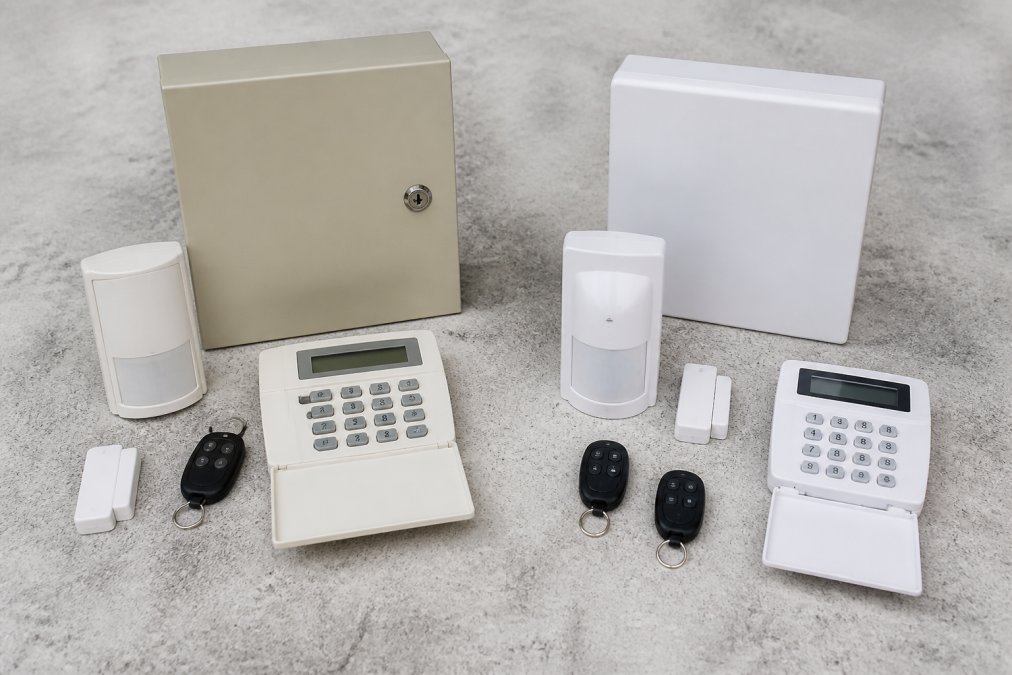
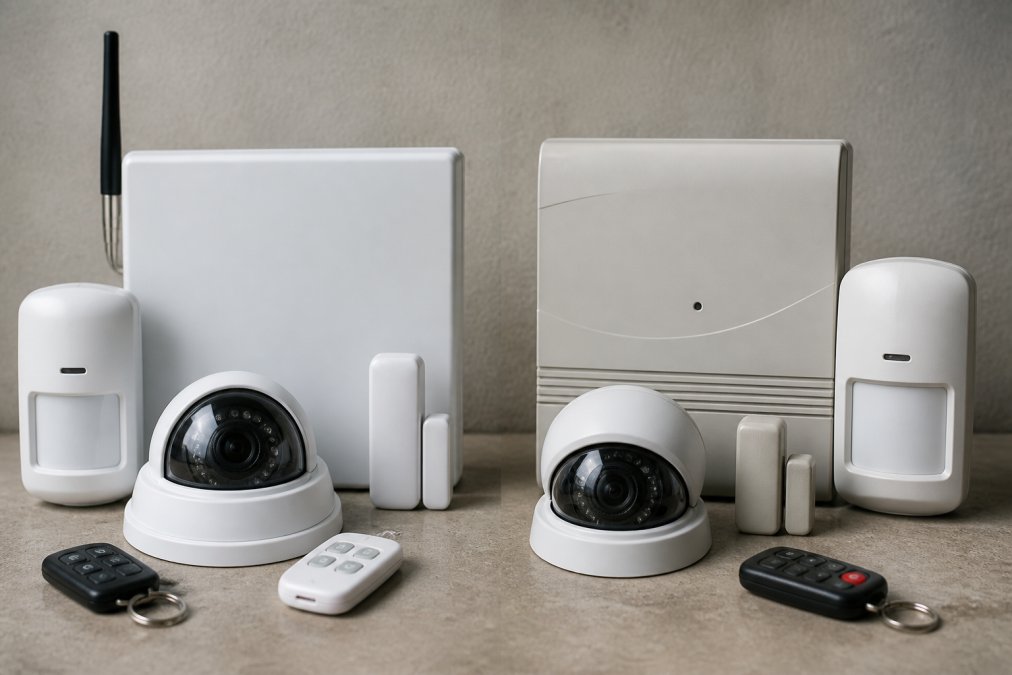
Security alarm monitoring is the foundation of most commercial and residential protection strategies. When your system triggers, the monitoring centre receives the alert, verifies the activation, and dispatches an appropriate response, either contacting you directly, alerting emergency services, or sending security personnel to investigate.
The difference between adequate and exceptional alarm monitoring comes down to three factors: verification protocols, dispatch speed, and integration with on-site response teams.
Eximm operates a centralised monitoring operation serving multiple states. Their verification process typically involves attempting phone contact before dispatch. If they cannot reach the property owner or manager, they escalate to security dispatch or emergency services. This approach is compliant and standard across the industry, but it introduces time delays. A false alarm verification call that takes 90 seconds, followed by dispatch coordination, can mean 8-12 minutes before personnel are actually en route.
Prosafe similarly operates a regional monitoring centre with standard verification protocols. Their response coordination follows industry-standard procedures, though like most larger operations, they manage multiple priority calls simultaneously across their entire service footprint.
Tupper Security's alarm monitoring integrates directly with our local Silkstone depot. When an alarm activates, our monitoring centre verifies and simultaneously dispatches our nearest available patrol unit. Because we maintain local coverage rather than relying on external contractors, we control the entire response chain. For properties in Ipswich and the immediate corridor, this typically means response initiation within 5-8 minutes of alarm activation, not 12-15.
The supporting keyword security alarm monitoring Gold Coast reflects the geographic reality of service delivery. Monitoring centres can be anywhere, but response quality depends on where your actual security personnel are stationed and how quickly they can physically reach your property.
Mobile Patrol Services Across South-East Queensland
Mobile patrols represent the visible, responsive layer of security, the personnel who actually investigate alarms, conduct site checks, and respond to incidents in real time. This is where operational geography becomes critical.
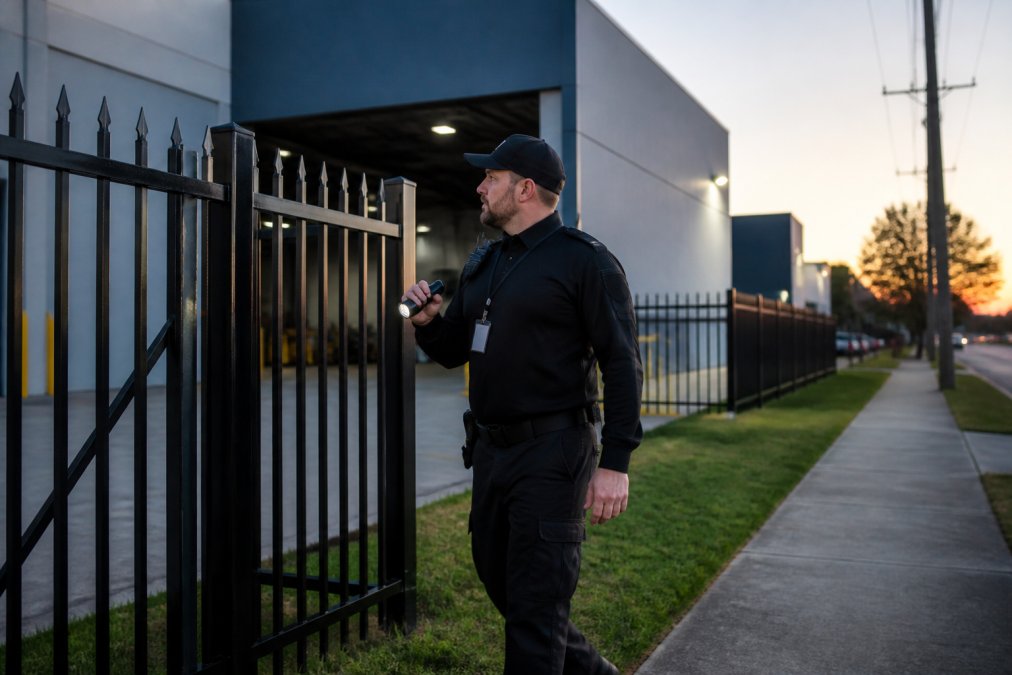
Mobile patrol services across the region vary significantly by provider structure. Eximm contracts with local security operators, meaning their response depends on available contractors in your area. This model scales efficiently but introduces variability, different patrol teams may rotate through your site, each with different familiarity with your specific property layout, access protocols, and operational quirks.
Prosafe operates a similar contractor-based model for most of their patrol coverage, though they maintain some directly employed staff in higher-density areas. Their response times are competitive, but consistency depends on contractor availability and workload distribution across their service region.
Tupper Security employs our patrol teams directly from our local depot. When we conduct a mobile patrol at your property, you're working with personnel who know your site, understand your operational schedule, and can identify what's abnormal. That familiarity translates to faster incident assessment and more accurate reporting. A guard who knows your retail store layout will identify a broken window or forced entry point in seconds. A contractor on their first visit to your property takes longer.
The supporting keyword mobile patrol services South-East Queensland encompasses this entire operational category, but the execution quality depends entirely on whether your provider maintains local presence or relies on distributed contractors.
For retail locations, warehouses, and multi-site operations, mobile patrols serve a dual purpose: they provide rapid response to alarms and incidents, but they also create a visible deterrent. A recognisable patrol vehicle arriving consistently at your property signals to potential offenders that security is active and engaged.
Security Guard Licensing Requirements in Queensland
Before comparing any security provider, you need to verify they're actually licensed to operate. This isn't optional, it's a regulatory requirement that protects you legally and ensures personnel meet minimum competency standards.
The security guard licensing requirements Queensland are administered through the Office of Fair Trading, within the Queensland Government. All security personnel working in Queensland must hold a valid security licence issued under the Security Providers Act 1993. This applies to alarm responders, mobile patrol officers, static guards, and event security personnel.
A valid licence confirms three things: the individual has passed a background check, they've completed mandatory training in relevant security procedures, and they're registered with the regulator. When you engage a security provider, you should always request proof of current licencing for any personnel who will be working at your property.
Eximm holds appropriate Queensland licensing and their personnel are registered operators. Their online profile indicates they maintain compliance with state requirements, though you should always request current licence verification before engagement.
Prosafe similarly operates under Queensland licensing requirements. Their personnel hold appropriate security licences, and they maintain compliance documentation.
Tupper Security holds Queensland Firm Licence #4572076. Our multi-class licensed operators hold individual security licences and are registered with the Queensland regulator. We provide licence verification documentation to every client before service commencement, and we maintain current records for audit purposes.
The licensing framework exists specifically to prevent unqualified personnel from operating as security professionals. It's not a marketing point, it's a legal baseline. Any provider who doesn't immediately offer licence verification should be disqualified from consideration.
24/7 Response Times and Operational Reliability
When you're evaluating a security services comparison, response time is often cited as a key metric. But response time without reliability context is meaningless. A provider who promises 15-minute response but delivers 45 minutes on half their calls is less valuable than one who commits to 12 minutes and consistently delivers.
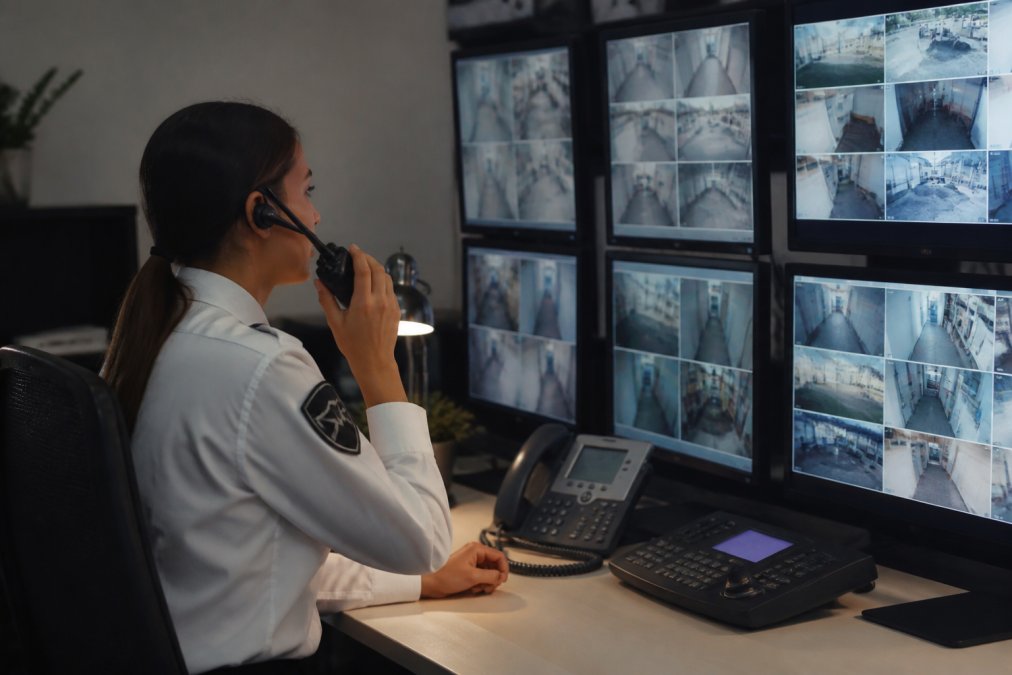
Response reliability depends on four operational factors: monitoring centre staffing, local personnel availability, geographic proximity, and dispatch coordination protocols.
Eximm operates 24/7 monitoring with centralised dispatch. Their response times vary by location, urban areas typically see faster response than regional properties. For properties outside their primary coverage zones, response may involve coordinating with local contractors, which adds coordination time.
Prosafe similarly operates round-the-clock monitoring with geographic variation in response capability. Their response times are competitive in high-density areas but slower in regional Queensland.
Tupper Security maintains 24/7 monitoring and dispatch from our Silkstone depot. Because our patrol teams are locally stationed and directly employed, we don't rely on contractor availability or coordination delays. For properties in our service area, we guarantee response initiation within specific timeframes, and we track actual response data to verify we're meeting those commitments.
The difference between 12-minute actual response and 18-minute actual response might seem minor. Operationally, it's significant. A 12-minute response means your alarm investigation happens while evidence is fresh, witnesses are still nearby, and incident escalation can be prevented. An 18-minute response means potential loss expansion, reduced witness availability, and higher likelihood of incident escalation.
Operational reliability also means consistent staffing. Providers who rely on casual contractors or manage high staff turnover deliver inconsistent service quality. You might receive excellent response one week and slower response the next, depending on who's available. Direct employment creates stability.
How to Choose Between Security Service Providers
Selecting the right security provider requires moving past marketing claims and evaluating actual operational capability. Most businesses make this decision based on three criteria: price, claimed response time, and perceived reputation. Those are the wrong criteria.
The right evaluation framework focuses on operational structure, verifiable response data, and alignment with your specific risk profile.
Start with your actual risk. A retail store with customer-facing access has completely different security requirements than a warehouse with limited staff. An event requiring crowd control and RSA compliance needs different personnel and protocols than a static guard at a construction site. Before comparing providers, define what you're actually protecting against.
Verify licensing and personnel credentials. Request current security licence documentation for any personnel who will work at your property. Check that they hold appropriate class licences for the work they'll perform. This isn't bureaucratic, it's your legal protection.
Ask for verifiable response data. Don't accept claimed response times. Ask each provider for actual average response times from the past 12 months for properties similar to yours in your geographic area. Providers confident in their performance will have this data. Those who hedge or provide only "typical" responses are signalling inconsistency.
Evaluate operational structure. Does the provider maintain local presence or rely on distributed contractors? Local presence means faster response, better site familiarity, and consistent service quality. Contractors can work, but they introduce variability.
Request site risk assessment. A competent security provider will conduct a site assessment before quoting. They'll identify specific vulnerabilities, recommend targeted solutions, and explain how their service addresses your actual risks. Providers who quote without assessment are treating you as a generic account, not a specific problem to solve.
Check integration capability. Can the provider integrate with your existing CCTV, access control, and alarm systems? Or will they require ripping out infrastructure and starting fresh? Integration capability directly affects total cost of ownership.
Understand service boundaries. What's included in the base service? What costs extra? Are there minimum contract terms? What happens if you need to scale up or down? Get these details in writing before committing.
For Tupper Security specifically, our competitive advantage centres on local operational structure combined with integrated service delivery. We're not the cheapest option, we're the option designed for properties where response speed, service consistency, and site-specific expertise actually matter. We maintain local presence, conduct independent risk assessments, and integrate with your existing systems rather than replacing them.
Conclusion: Making Your Security Services Decision
The security services comparison between Eximm, Prosafe, and other regional providers ultimately comes down to operational structure and how that structure translates to actual performance at your property.
Eximm and Prosafe both operate legitimate, licensed security businesses. They both provide alarm monitoring and mobile patrol response. The difference is measurable: local operational presence delivers faster response, better site familiarity, and consistent service quality compared to centralised or contractor-dependent models.
When you're ready to move forward, request a site assessment from Tupper Security. We'll identify your specific vulnerabilities, recommend targeted solutions, and provide transparent pricing based on your actual needs, not a generic template. Our team has been protecting South-East Queensland properties since 2014, and we maintain the local presence and operational expertise to deliver the response times and service consistency your property deserves.
Queensland Office of Liquor and Gaming security licensing information
Security Providers and Private Investigators Act 1971
Australian Security Industry Association standards and compliance guidance
=== FAQ ANSWERS (audit these too, same rules) ===
[1] Q: What should I look for when comparing security service providers? A: Prioritise licensed personnel, documented response times, and tailored security protocols for your site type. Verify licensing with the relevant regulator, check whether the provider offers integrated solutions (patrols, monitoring, and system installation), and confirm they conduct independent risk assessments. Ask about their experience with your industry, retail, construction, or property management, and request references from similar clients. Response time guarantees and 24/7 availability matter; confirm these in writing before committing.
[2] Q: How do I verify the security licensing of a provider in this region? A: In Queensland, security guard licensing is regulated by the Office of Fair Trading, within the Queensland Government. Request the provider's Security Licence number and verify it directly through official channels. Licensed security personnel must hold a current Class 1, 2, or 3 licence depending on their role. Ask providers for proof of their firm licence and individual operator credentials. Legitimate security services comparison should always include verification of these qualifications, never accept vague claims about licensing without documentation.
[3] Q: What is the difference between mobile patrols and static guards for security services? A: Mobile patrols involve security personnel visiting multiple sites on a scheduled route, ideal for covering large areas or multiple properties cost-effectively. Static guards remain at one location for the full shift, providing continuous presence and immediate incident response. Mobile patrols suit retail chains, warehouses, and multi-site operations; static guards work better for high-risk sites, events, or properties requiring constant oversight. Many providers offer both, and your choice depends on site vulnerability, budget, and the level of visible deterrence you need.
[4] Q: Does my business require 24/7 alarm response services? A: If your property holds valuable inventory, operates after hours, or sits in a high-risk area, 24/7 alarm monitoring and rapid response is essential. Retail stores, warehouses, and construction sites benefit significantly from round-the-clock coverage. Smaller operations may use scheduled patrols or daytime-only static guards if risk assessment shows lower overnight threat. A professional security risk assessment will determine whether 24/7 monitoring is justified for your specific operation and site layout.
Frequently Asked Questions
Q: What should I look for when comparing security service providers?
A: Prioritise licensed personnel, documented response times, and tailored security protocols for your site type. Verify licensing with the relevant regulator, check whether the provider offers integrated solutions (patrols, monitoring, and system installation), and confirm they conduct independent risk assessments. Ask about their experience with your industry, retail, construction, or property management, and request references from similar clients. Response time guarantees and 24/7 availability matter; confirm these in writing before committing.
Q: How do I verify the security licensing of a provider in this region?
A: In Queensland, security guard licensing is regulated by the Office of Fair Trading, within the Queensland Government. Request the provider's Security Licence number and verify it directly through official channels. Licensed security personnel must hold a current Class 1, 2, or 3 licence depending on their role. Ask providers for proof of their firm licence and individual operator credentials. Legitimate security services comparison should always include verification of these qualifications, never accept vague claims about licensing without documentation.
Q: What is the difference between mobile patrols and static guards for security services?
A: Mobile patrols involve security personnel visiting multiple sites on a scheduled route, ideal for covering large areas or multiple properties cost-effectively. Static guards remain at one location for the full shift, providing continuous presence and immediate incident response. Mobile patrols suit retail chains, warehouses, and multi-site operations; static guards work better for high-risk sites, events, or properties requiring constant oversight. Many providers offer both, and your choice depends on site vulnerability, budget, and the level of visible deterrence you need.
Q: Does my business require 24/7 alarm response services?
A: If your property holds valuable inventory, operates after hours, or sits in a high-risk area, 24/7 alarm monitoring and rapid response is essential. Retail stores, warehouses, and construction sites benefit significantly from round-the-clock coverage. Smaller operations may use scheduled patrols or daytime-only static guards if risk assessment shows lower overnight threat. A professional security risk assessment will determine whether 24/7 monitoring is justified for your specific operation and site layout.
The challenge with most security decisions is that you don't know if your provider is actually delivering until an incident occurs. By that point, it's too late to change course. Tupper Security solves this by building response speed and service consistency into our operational model from the start. Request a quote today and see how local, integrated security delivery actually performs.
This article was written using GrandRanker