 ultimate-guide
Retail Loss Prevention Strategies 2026
Table of Contents
- Retail Loss Prevention Strategies: What's Changed in 2026
- Understanding Shrinkage and Organized Retail Crime
- AI-Powered Loss Prevention Tools and Real-Time Monitoring
- Retail Theft Prevention Training for Staff
- Point-of-Sale Integration and Fraud Detection
- Building a Loss Prevention Policy Template for Your Retail Site
- Physical Security Infrastructure and Psychological Deterrence
- Measuring Success: Inventory Accuracy and Shrinkage Reduction
Last Updated: August 12, 2026
Retail Loss Prevention Strategies: What's Changed in 2026
Retail loss prevention has fundamentally shifted. Reactive surveillance and basic inventory checks no longer combat increasingly sophisticated organized retail crime networks and internal theft. Modern loss prevention demands a layered approach combining real-time data, staff accountability, physical deterrence, and strategic infrastructure.
At Tupper Security, we've worked with retail operators across South-East Queensland to implement comprehensive loss prevention strategies that reduce shrinkage. The difference isn't better cameras or stricter policies, it's a shift toward data-driven decision-making, psychological deterrence, and operational workflows that catch problems before they become losses.
This guide covers eight core strategies defining modern retail loss prevention in 2026: understanding your shrinkage baseline, deploying AI-powered monitoring, training staff effectively, integrating point-of-sale systems with fraud detection, building enforceable policies, designing physical security that deters and detects, and measuring what matters. These strategies adapt to any retail scale.
Understanding Shrinkage and Organized Retail Crime
Shrinkage is the difference between recorded inventory and actual physical stock, including employee theft, customer theft, administrative errors, and supplier fraud.
Organized retail crime (ORC) has become a primary shrinkage driver in 2026. Unlike traditional shoplifting, ORC involves coordinated networks targeting high-value items, cosmetics, electronics, designer goods, for resale. These operations are professional and exploit gaps in security infrastructure and staff training.
Shrinkage remains invisible until measured. Conduct a physical inventory count against point-of-sale records; the gap is your shrinkage rate. Track it monthly. Without this baseline, loss prevention efforts cannot be evaluated.
High-value merchandise categories experience disproportionate losses. Checkout areas are vulnerable to both employee and customer theft. Receiving areas often lack proper oversight. Back-of-house storage frequently has poor access controls. Retailers who visibly measure and report shrinkage see staff behaviour change, transparency is a deterrent.
AI-Powered Loss Prevention Tools and Real-Time Monitoring
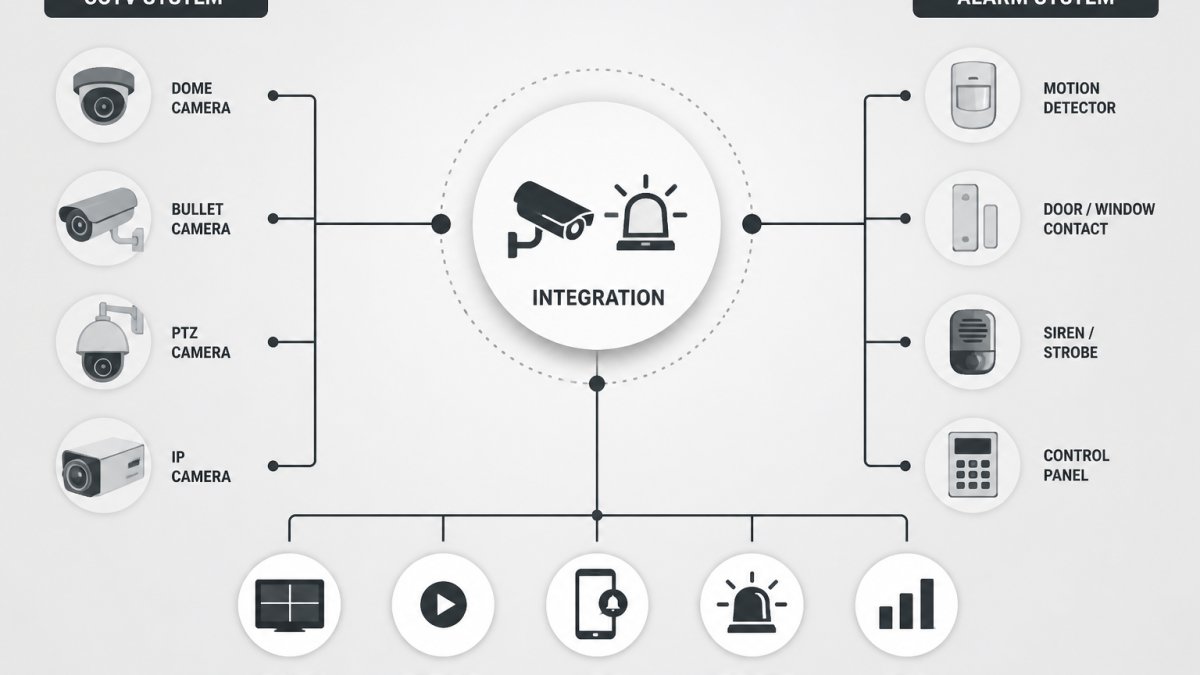
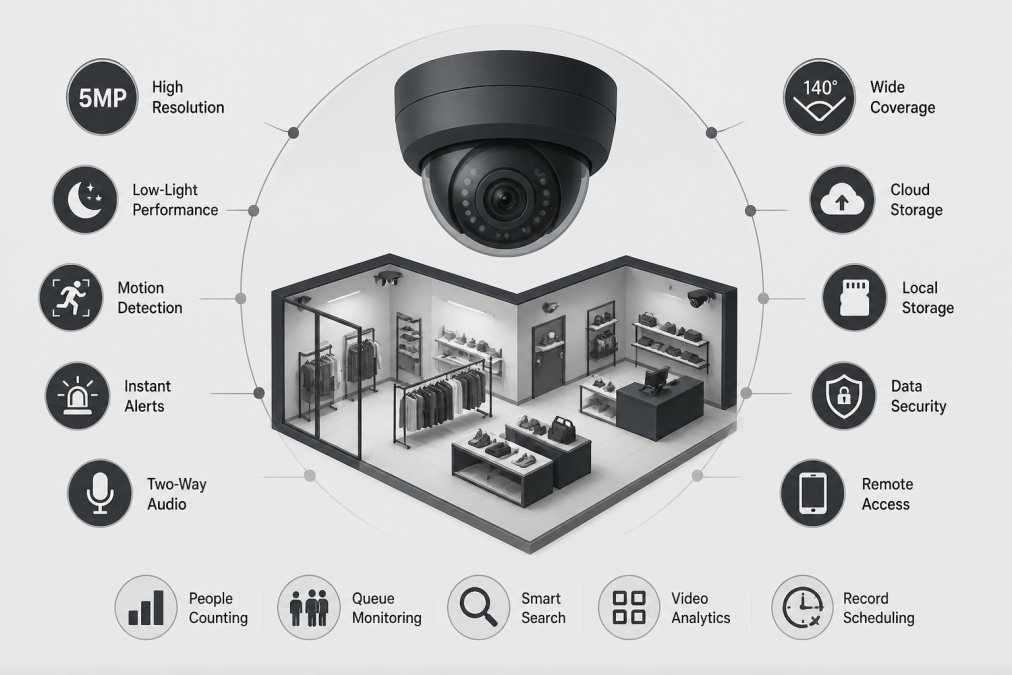
Modern loss prevention uses video analytics, behavioural pattern recognition, and automated alerts that flag suspicious activity in real-time.
AI-powered surveillance detects specific behaviours: excessive voids at checkout, repeated price modifications, items removed without payment, unauthorized area access, and unusual dwell times in high-theft zones. Managers receive notifications within seconds, enabling prevention rather than documentation.
Integration with point-of-sale data amplifies effectiveness. The system correlates suspicious checkout behaviour with transactions, identifying patterns manual review would miss, for example, an employee consistently voiding high-value items at specific times.
Implementing AI monitoring requires infrastructure investment: high-resolution IP cameras, adequate bandwidth, and cloud-based analytics platforms. ROI typically justifies costs within 12-18 months through shrinkage reduction. Tupper Security's remotely accessible IP surveillance systems provide the infrastructure foundation for these tools, with documented shrinkage reporting that tracks loss prevention impact.
Visible monitoring creates psychological deterrence. When staff and customers know behaviour is monitored in real-time, compliance increases.
Retail Theft Prevention Training for Staff
Staff training often fails because generic annual sessions don't work. Effective training requires ongoing reinforcement, role-specific scenarios, and clear accountability.

Your team needs to understand how to identify suspicious behaviour, what to do when they see it, and why their role matters. Scenario-based training produces measurable behaviour change.
Start with your store's most common loss vectors. If high-value cosmetics drive shrinkage, train staff on how these items are targeted, where blind spots exist, and what intervention looks like. If checkout fraud is the issue, train on void procedures, refund protocols, and red flags for cashier-customer collusion.
Role-specific training matters. Cashiers need to recognize payment fraud and unusual refunds. Floor associates need to spot theft-intent behaviour. Managers need to review transaction data for patterns and coach staff on implementation.
Documentation is critical. Record completed training, identified shrinkage issues, and new procedures. This creates an auditable trail demonstrating reasonable loss prevention steps and protects your business legally. Consistency in enforcement is essential, if procedures aren't enforced, training becomes meaningless.
Point-of-Sale Integration and Fraud Detection
Point-of-sale systems are retail's richest fraud detection data source. Modern POS integration flags anomalies automatically: excessive voids, unusual refund patterns, price modifications, repeated no-sale transactions, and cashier behaviour deviating from baseline.
Common POS fraud patterns include employee-customer collusion, systematic voiding of high-value items, refund fraud using stolen receipts, and inventory adjustment manipulation. Many patterns remain invisible until transaction data is analyzed.
Implement exception reporting in your POS system. Set thresholds for voids, refunds, and discounts as a percentage of sales. When employees exceed thresholds, alerts generate, identifying patterns suggesting systematic loss.
Audit trails are essential. Your POS system should record who sold items, when, and what adjustments were made, creating accountability and enabling post-incident investigation. Integration between POS and physical inventory systems closes gaps, discrepancies between recorded sales and actual inventory should trigger investigation.
Building a Loss Prevention Policy Template for Your Retail Site
A loss prevention policy provides the framework for consistent implementation. Without written policy, enforcement becomes subjective and legally vulnerable.
Your policy should cover: incident definitions, investigation authority, required documentation, findings communication, disciplinary actions, and legal alignment. It must be specific enough to guide decisions but flexible enough to adapt to different situations.
Define what constitutes theft, fraud, shrinkage, and policy violation. Define roles: who investigates, who approves discipline, who reviews trends. Define procedures: incident reporting, investigation conduct, evidence preservation, and documentation.
Include escalation procedures. Minor violations warrant conversation; repeated violations warrant formal documentation; suspected criminal activity warrants law enforcement. Address privacy and legal considerations, surveillance policies must comply with privacy law, interviews must respect employee rights, and findings must withstand legal scrutiny.
Define how data is used: who accesses surveillance footage, retention periods, processes for suspected theft, and procedures for clearing employees' names. Communicate your policy clearly so staff understand expectations, consequences, and monitoring.
Physical Security Infrastructure and Psychological Deterrence
Physical security infrastructure serves two functions: detecting loss and deterring it. Deterrence is often underestimated.
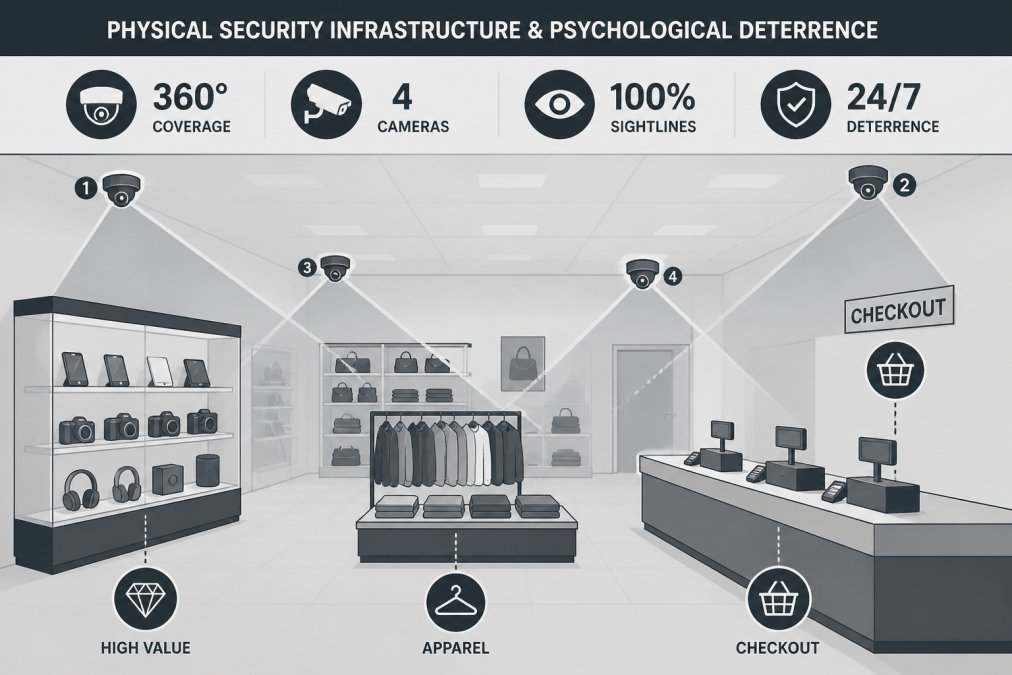
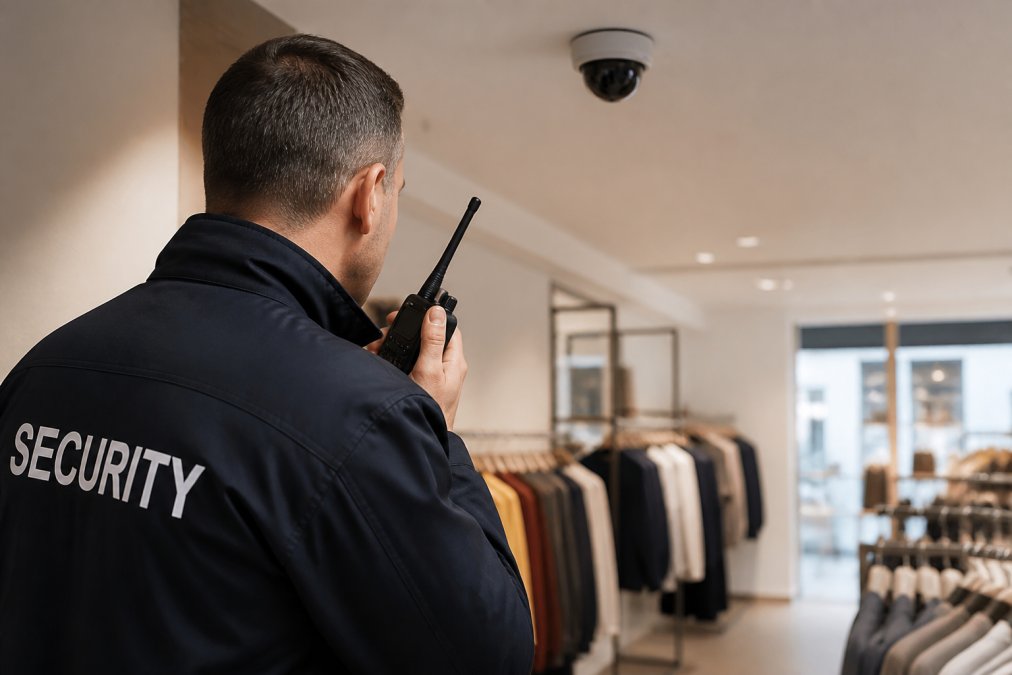
Visible cameras deter behaviour more effectively than hidden ones. Signage stating "This area is monitored by CCTV" is a deterrent statement.
Strategic camera placement focuses on high-risk areas: checkout zones, high-value merchandise displays, receiving areas, and exits. Cameras should have clear sightlines with minimal blind spots.
Access control systems prevent unauthorized personnel from reaching high-risk areas. Restricted access to stockrooms and high-value merchandise zones reduces internal theft. Access logs create accountability.
Lighting is a physical deterrent. Well-lit stores reduce theft; dark corners invite loss. Adequate lighting also improves surveillance footage quality.
Alarm systems serve as detection and deterrence. Visible sensors signal protection; silent alarms on high-value merchandise alert staff without alerting thieves.
Infrastructure requires supporting processes. Cameras are useful only if footage is reviewed. Access control is useful only if logs are audited. Alarms are useful only if staff respond appropriately.
Measuring Success: Inventory Accuracy and Shrinkage Reduction
Measuring success requires clear metrics. Shrinkage reduction is primary, but inventory accuracy and operational efficiency also matter.
Shrinkage rate = (Expected Inventory - Actual Inventory) ÷ Expected Inventory × 100. Track monthly. Typical retail shrinkage is 1-2%; rates above 3% indicate significant loss. Target 10-15% baseline reduction within the first year.
Inventory accuracy measures how closely system records match physical counts. Implement cycle counting for regular physical counts of specific inventory sections. Aim for 95%+ accuracy in high-value merchandise.
Exception rates from POS systems indicate fraud detection control effectiveness. Track voids, refunds, and discounts as a percentage of sales. Declining rates suggest improving control.
Incident documentation provides qualitative data: how many suspected thefts did staff identify? How many were prevented versus discovered after? This guides prevention focus.
Staff turnover in loss prevention roles correlates with effectiveness. High turnover suggests inadequate resources or poor implementation.
Communicate results to your team. If shrinkage dropped 15% after implementing new procedures, tell staff. Transparency about results builds buy-in for ongoing procedures.
Implementation: From Strategy to Execution
Implementing loss prevention strategies requires coordination across functions. Start with assessment: where are losses? Who's responsible? What infrastructure exists? What gaps need filling?
Prioritize based on impact. If checkout fraud drives 60% of shrinkage, start there. Phase implementation over 6-12 months. Begin with quick wins: policy clarification, staff training, exception reporting in existing POS systems. Move to infrastructure investments once foundational elements are in place.
Assign clear accountability. Someone must own loss prevention, coordinating across departments, tracking metrics, investigating anomalies, and reporting progress.
Budget for ongoing investment. Loss prevention requires continuous training, system maintenance, infrastructure upgrades, and staff time for investigation. Budget these as operational expenses.
Engage professional security providers. Tupper Security's site risk assessments provide independent evaluation and recommendations. Our multi-class licensed operators design tailored loss prevention systems matching your retail environment and operational model.
The retail loss prevention landscape in 2026 differs fundamentally from previous years. Organized retail crime sophistication has increased. Technology has made real-time monitoring feasible and affordable. Staff expectations around transparency and fairness have evolved.
Success requires adapting to this environment. Retailers using outdated approaches will see shrinkage increase. Those implementing data-driven, multi-layered loss prevention strategies will see measurable improvement.
The eight strategies covered, understanding baseline shrinkage, deploying AI monitoring, training staff effectively, integrating POS fraud detection, building clear policies, designing physical deterrence, and measuring results, work together. Each element reinforces the others, producing results individual interventions cannot achieve alone.
Your loss prevention strategy should reflect your specific business model, store layout, merchandise mix, and operational constraints. Professional assessment and tailored implementation matter. Request a quote from Tupper Security to discuss how our licensed security expertise and loss prevention systems can be adapted to your retail operation, with documented shrinkage reporting and real-time monitoring that delivers measurable results.
Frequently Asked Questions
What are the most effective retail loss prevention strategies for 2026?
The most effective loss prevention strategies combine multiple layers: real-time monitoring through video analytics and point-of-sale integration, mandatory staff training on theft recognition and deterrence, robust access control systems, and data-driven inventory accuracy protocols. Psychological deterrence, visible security infrastructure, clear signage about monitoring, and consistent incident reporting, works alongside technological solutions. Success requires treating loss prevention as an operational priority, not just a technology purchase. A tailored security design review identifies your highest-risk areas and builds a strategy around your site's actual operations.
How can I balance customer experience with strict loss prevention measures?
Effective loss prevention doesn't require invasive customer friction. Focus on invisible operational controls: staff training to spot suspicious behaviour early, strategic merchandise placement away from blind spots, and real-time exception reporting from your point-of-sale system. Visible deterrents, cameras, access control at high-value areas, signal security without creating a fortress atmosphere. The key is targeting the 2-3% of customers and staff responsible for most shrinkage while keeping the 98% unimpeded. A site risk assessment identifies which areas genuinely need heightened control versus those where standard protocols suffice.
What should a loss prevention policy template include?
A robust loss prevention policy covers incident reporting procedures, staff responsibilities for monitoring and reporting suspicious activity, access control protocols for high-risk merchandise, point-of-sale exception handling, inventory accuracy verification schedules, and consequences for policy breaches. Include clear definitions of what constitutes theft or fraud, training requirements for all staff, and a documented escalation process for incidents. The template should specify who investigates, how evidence is preserved, and when external authorities are contacted. Compliance documentation, audit trails, incident logs, training records, protects your business legally and provides data for shrinkage reduction analysis.
How does AI-powered surveillance actually reduce shrinkage?
AI-powered loss prevention tools analyse video in real time to flag unusual patterns: customers lingering near high-value items, staff accessing restricted areas outside scheduled times, or suspicious point-of-sale transactions. Rather than requiring 24/7 human monitoring, the system alerts staff to exceptions, enabling immediate intervention before theft occurs. Video analytics also provide forensic evidence post-incident, speeding recovery and supporting legal proceedings. When integrated with your point-of-sale system, AI detects discrepancies between scanned items and actual checkout behaviour. The result is faster incident response, reduced false alarms, and measurable shrinkage reduction within weeks of deployment.
What are the legal implications of using surveillance in a retail store?
In Australia, retailers must comply with privacy legislation and workplace laws. Surveillance systems must be proportionate to the genuine security risk, and staff must be informed of monitoring in their work areas. Footage retention, access controls, and data security are regulated under privacy principles. Facial recognition and biometric systems face stricter requirements; use them only where genuinely necessary and with clear consent. Document your security rationale and compliance steps in your loss prevention policy. A licensed security provider familiar with local regulations ensures your surveillance infrastructure meets legal standards whilst protecting customer and staff privacy.
How quickly can a security provider respond to an alarm at my retail location?
Response times depend on the provider's depot location, staffing, and operational procedures. A local security provider with a nearby base can achieve 15-20 minute response times for priority alarms in urban areas; rural sites may require 30-45 minutes. Confirm response time guarantees in writing before engaging a provider. Ask about their escalation procedures if the first responder is unavailable, how they handle multi-site coverage, and whether response times are monitored and reported. A provider with documented response performance and local knowledge of your area is more reliable than a national company with distant dispatch centres.
Do loss prevention strategies work for small retail stores?
Yes. Small retailers face proportionally higher shrinkage losses because they lack the staffing for constant supervision. The most cost-effective strategies for small stores are staff training, point-of-sale exception reporting, strategic merchandise placement, and visible deterrents like cameras and access control on high-value items. You don't need enterprise-level AI systems; a tailored approach focusing on your highest-risk areas delivers measurable results. A site risk assessment identifies which investments, CCTV, access control, staff training, will reduce your shrinkage most effectively. Many small retailers see 5-15% shrinkage reduction within three months of implementing basic loss prevention protocols.
What's the difference between deterrence and detection in loss prevention?
Deterrence stops theft before it happens: visible cameras, clear signage about monitoring, staff vigilance, and strategic merchandise placement discourage would-be thieves. Detection catches incidents in progress or after the fact: real-time video alerts, point-of-sale exception reporting, and forensic footage review. Both are essential. Deterrence reduces shrinkage by preventing most casual theft; detection handles the 2-3% of determined or internal perpetrators. A comprehensive loss prevention strategy layers both: psychological deterrents (visible security) supported by operational controls (staff training, access systems) and technological detection (video analytics, point-of-sale integration). This multi-layered approach is far more effective than any single tactic.
This article was written using GrandRanker