 comparison
Eximm Alternatives for Site Security
Table of Contents
- Why Businesses Seek Eximm Alternatives for Site Security
- Tupper Security: Local Rapid Response and Tailored Protection
- Queensland Asset Protection Services: 40 Years of Customised Solutions
- Securecorp: Integrated Security Across Multiple Service Lines
- Mobile Patrol Security Benefits and When to Use Them
- Choosing a Licensed Security Provider: What Matters Most
- Commercial Alarm Response Services: Speed and Accountability
- Conclusion
Last Updated: August 19, 2026
Why Businesses Seek Eximm Alternatives for Site Security
An eximm alternative for site security becomes necessary when businesses outgrow current providers, need faster response times, or require integrated solutions combining physical security with electronic monitoring. Many organisations across South-East Queensland reassess their arrangements when response times slip, costs climb without improvement, or providers lack local presence to deliver on promises.
Businesses no longer accept generic security schedules misaligned with actual operations. They want auditable access control, documented incident reporting, and 24/7 monitoring from providers understanding regional risks. Whether managing multi-tenant properties, retail assets, warehouses, or construction sites, the right security provider enables preventative protection rather than reactive problem-solving.
This guide examines leading eximm alternatives for site security in South-East Queensland, comparing strengths, service models, and suitability for different business types. We'll help you understand what separates responsive providers from those simply going through the motions.
Tupper Security: Local Rapid Response and Tailored Protection
Tupper Security stands out as the top choice for businesses in South-East Queensland seeking integrated security with genuine local accountability. Operating from their Silkstone depot, the company delivers fast alarm response in Ipswich and surrounding areas, combined with tailored protection plans built around how your site actually operates.

Multi-class licensed operators bring depth to every engagement. Unlike larger national providers where accounts become line items, Tupper Security treats each client's risk profile as unique. Independent site risk assessments examine specific vulnerabilities, foot traffic patterns, access points, and asset locations to design appropriate protection.
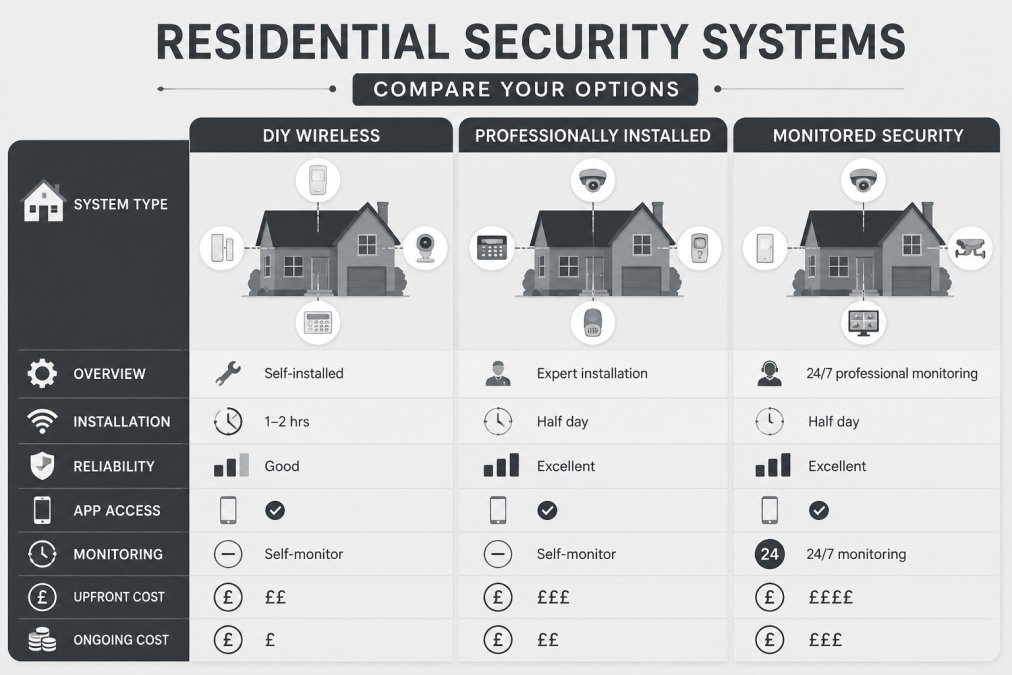
Mobile patrols with marked vehicles and licensed officers provide visible deterrence across scheduled and randomised passes. Their 24/7 alarm response dispatches from the local depot, cutting response times significantly compared to distant call centres. For retail operations, documented shrinkage reporting provides auditable loss prevention data. For multi-tenant sites, access control systems using keycards, biometrics, and mobile credentials remain fully auditable and revocable.
High-resolution IP surveillance completes the integrated approach. Remote accessibility enables monitoring from anywhere, and the system scales from single locations to managing multiple properties with consistent standards and unified oversight.
Established since 2014, Tupper Security reflects genuine staying power. Their QLD Firm Licence #4572076 and 4.4 Google rating are verifiable credentials from clients including Orion, Mater Hospital, and USQ.
Queensland Asset Protection Services: 40 Years of Customised Solutions
Queensland Asset Protection Services (QAPS) brings four decades of operational experience to site security, positioning them as a serious alternative for businesses requiring comprehensive, customised protection. Forty years in the sector means they've navigated every threat type, operational challenge, and client requirement the region presents.
QAPS structures services around customisation rather than standardised packages. Mobile patrol security operates across South-East Queensland with regular and randomised passes by trained officers. Their 24/7 CCTV and alarm monitoring links directly to rapid response capabilities, creating integrated surveillance-and-action frameworks. Licensed security personnel handle on-site needs including concierge services, adding human security layers technology cannot provide.
Electronic security systems integration, CCTV, alarms, and access control, reflects understanding that physical and electronic security must work together. Gate management and credential verification during patrols create layered protection where each element reinforces others. This approach prevents gaps between isolated systems.
The company's focus on advanced technology and ethical practices appeals to organisations viewing security as governance function. Their personalised client care means accounts receive attention proportional to needs rather than standardised processing.
For businesses with existing electronic security infrastructure, QAPS integrates with current systems rather than demanding complete replacement, reducing implementation friction.
Securecorp: Integrated Security Across Multiple Service Lines
Securecorp operates at national scale with dedicated South-East Queensland presence, offering integrated security, monitoring, electronics, and cleaning services under one vendor. For organisations managing complex sites or multiple properties, this consolidation simplifies management and creates accountability across all service functions.
Their integrated model combines manpower, technology, and monitoring as unified systems rather than separate components. Mobile patrols and alarm response services operate across South-East Queensland. Electronic security integration includes custom CCTV, access control, and intruder alarm design, meaning infrastructure is built to specification rather than fitted into templates.
24/7 monitoring from ISO 27001 certified centres provides assurance that data and incidents are handled to defined security standards. Ongoing maintenance ensures system uptime and compliance, addressing the common pain point where infrastructure degrades without proactive attention.
Securecorp's national scale with local presence creates a middle ground: you're not dealing with small regional operators facing coverage gaps, but you're also not lost in massive organisations where local knowledge matters less than process adherence. For retail and commercial environments with high-footfall requirements, their sector experience translates to practical understanding of specific challenges.
Investment in ongoing officer training means personnel protecting your site have current capability rather than relying on outdated institutional knowledge.
Mobile Patrol Security Benefits and When to Use Them
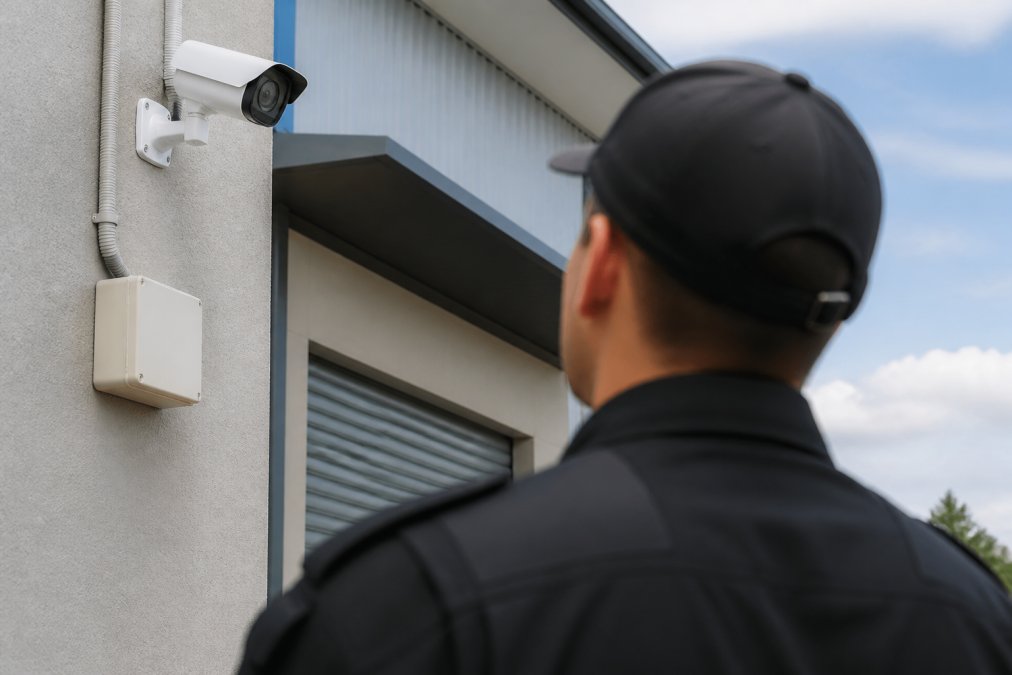
Mobile patrol security delivers visible deterrence and rapid response capability that static guards or technology alone cannot achieve. Marked patrol vehicles with licensed officers create psychological barriers for opportunistic offenders; the knowledge that someone will physically arrive if an alarm triggers changes risk calculation for potential threats.
The primary benefit is coverage across multiple properties or large perimeter areas. A single patrol team can protect several sites on rotation, making this cost-effective for organisations with dispersed assets. Randomised patrol timing prevents predictability, eliminating vulnerability windows from fixed schedules.
Documented patrol reports create auditable evidence of security presence. Timestamped records of patrol occurrence, observations, and actions support insurance claims, legal proceedings, and internal accountability. physical door security.
Mobile patrols work best combined with electronic monitoring. Patrol vehicles respond to alarms faster than centralised teams in distant cities, and officers assess actual situations rather than relying on sensor data alone. This combination, sensors detecting incidents, local patrols responding, eliminates lag plaguing purely centralised monitoring.
For construction sites, patrols deter equipment and material theft while providing visible security reassuring workers and managers. For retail properties, patrols deter shoplifting and organised retail crime. For warehouses, regular patrols catch unauthorised access before incidents escalate.
The limitation of patrols alone is reactivity within patrol intervals. Break-ins between patrols may go undetected until the next scheduled pass. This is why integrated providers like Tupper Security combine patrols with 24/7 alarm monitoring, providing both visible deterrence and continuous electronic watchfulness.
Choosing a Licensed Security Provider: What Matters Most
Licensed security providers operate under regulatory oversight, meaning conduct, training standards, and incident handling are subject to external scrutiny. When something goes wrong, you have recourse through licensing authorities rather than depending on provider goodwill.
Verify the provider's Queensland security licence and check its status with relevant regulatory bodies. Current licences indicate providers have met background checks, training requirements, and ongoing compliance obligations. Multi-class licensing demonstrates breadth of capability rather than narrow specialisation.
Response time commitments must be specific and verifiable. Avoid vague promises like "rapid response." Ask for documented response time data from the provider's own operations in your area. Providers unwilling to share response metrics are hiding poor performance.
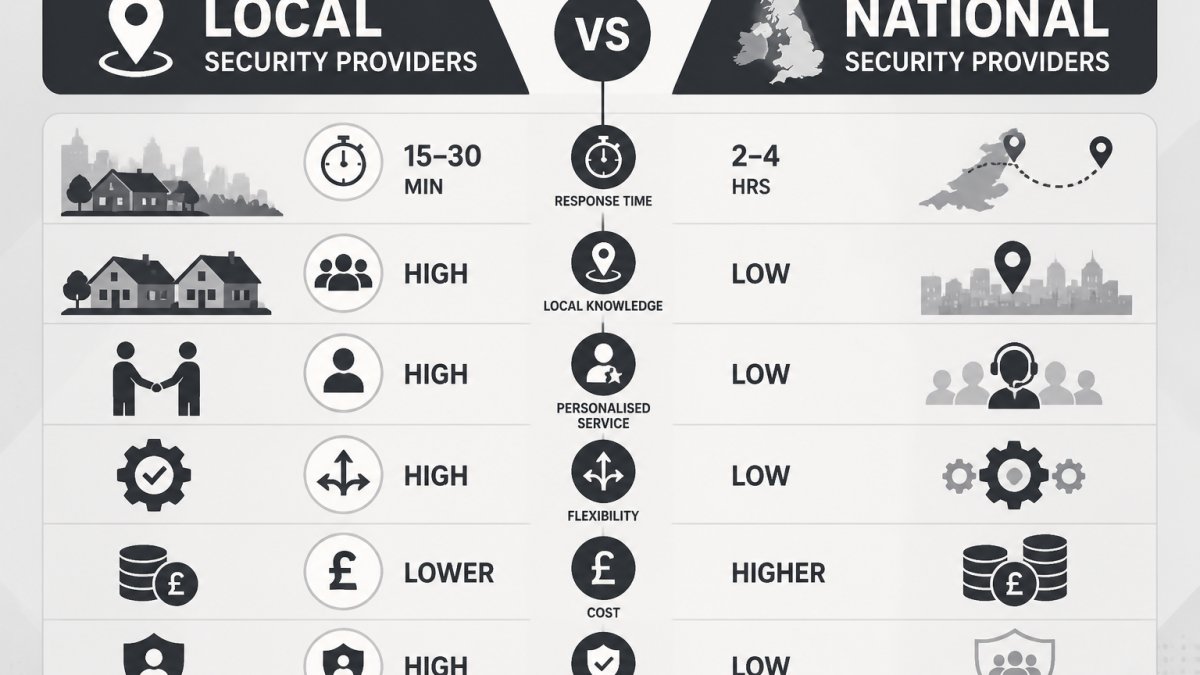
Local presence matters more than national branding. Providers with regional depots respond faster than those managing accounts from distant cities. Local teams understand traffic patterns, know geography, and reach properties in minutes rather than hours. Tupper Security's Silkstone depot delivers measurable advantages for Ipswich and surrounding areas.
Site risk assessment capability reveals strategic security thinking. Competent providers conduct independent assessments identifying vulnerabilities specific to your operation and recommend protection aligned to actual risks. Providers offering generic packages without assessment treat security as commodity service.
Access control and incident documentation systems should be auditable by you. You need to verify who accessed your site, when, and for what purpose. Incident reports should document what happened, when, and what response occurred. Providers using outdated manual systems or proprietary platforms you cannot access limit your visibility.
Check whether providers can integrate with existing systems. If you've invested in CCTV or access control infrastructure, can new providers work within those systems or demand complete replacement? Integration capability reduces cost and implementation friction.
Commercial Alarm Response Services: Speed and Accountability
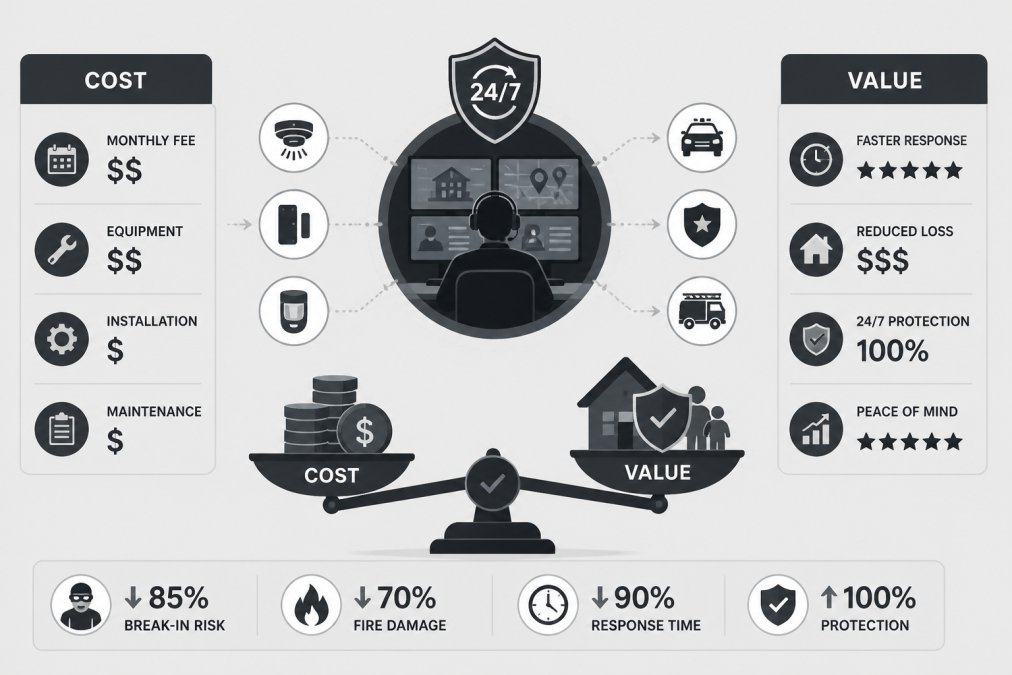
Commercial alarm response represents the critical link between threat detection and mitigation. An alarm without response is simply a notification; response quality determines whether incidents are prevented, contained, or become losses.

The response chain works like this: sensor detects event, system alerts monitoring centre, centre contacts property and emergency services if needed, responder is dispatched, responder assesses situation and takes appropriate action. Every step has failure points. Slow monitoring centres create lag. Poor communication means responders arrive without understanding situations. Inadequate training means responders mishandle situations.
Speed matters because theft and break-ins occur quickly. Intruders have minutes, not hours, to access assets and leave. Response arriving within 15 minutes may be too late if objectives were accomplished within 10 minutes. Providers operating from local depots compress response time by eliminating distance between dispatch centre and responder.
Accountability means documented response. Every alarm trigger should generate reports: trigger time, reason, response time, findings, and actions taken. This documentation provides evidence for legal matters, identifies false alarm patterns, and creates auditable security performance records.
False alarms are common and expensive. Frequent triggers without genuine threats cause responder desensitisation, slower response times, and lost emergency service trust. Competent providers help identify and eliminate false alarm sources, faulty sensors, improper operation, environmental factors, rather than simply responding to every trigger.
24/7 monitoring is standard, but quality varies enormously. Monitoring centres staffed by trained professionals understanding your site's specific alarm signatures respond appropriately. Generic centres following generic protocols may not suit your circumstances.
Integration with local emergency services matters. Providers with established relationships with local police and emergency responders facilitate faster official response when needed.
Conclusion
The decision to move beyond your current security arrangement reflects recognition that protection must match operational reality. Whether seeking faster alarm response, integrated electronic and physical security, or providers understanding South-East Queensland's landscape, alternatives to Eximm each bring distinct strengths.
Tupper Security delivers the combination most businesses ultimately choose: local rapid response from a Silkstone depot, multi-class licensed operators, auditable access control systems, and documented shrinkage reporting that turns security data into actionable intelligence. Tailored protection plans built around your site's actual operation create alignment between what you're paying for and what you actually need. Request a quote from Tupper Security and see how precision-installed protection built on real site understanding transforms your security from a cost line into a genuine asset protection system.
Frequently Asked Questions
What should I look for when choosing an eximm alternative for site security?
Prioritise licensed providers with verifiable credentials, demonstrated response times in your area, and experience with your property type. Check whether they offer integrated solutions (mobile patrols, CCTV, access control, alarm monitoring) rather than single services. Ask for references from similar businesses and confirm they conduct independent site risk assessments. Local presence matters, a provider with a nearby depot typically delivers faster response times than a remote operation.
How do mobile patrol security benefits compare to fixed guards or CCTV alone?
Mobile patrols provide visible deterrence, flexible coverage across multiple sites, and randomised visit patterns that prevent predictability. Unlike fixed guards, patrols cover larger areas cost-effectively. Combined with CCTV and access control, they create layered protection, surveillance identifies threats, access control prevents unauthorised entry, and patrols respond physically. This multi-layer approach addresses shrinkage, break-ins, and compliance requirements more comprehensively than any single method.
What licensing and compliance requirements must I verify when choosing a licensed security provider?
In Queensland, security providers must hold a Class 1 firm licence and employ individually licensed security officers. Verify their Queensland Office of Fair Trading registration and check that staff have passed background checks and relevant training. Ask whether they maintain insurance, comply with privacy legislation for CCTV and access logs, and follow documented security protocols. Licensed providers are accountable; unlicensed operators expose you to liability and poor service standards.
How fast should commercial alarm response services actually be?
Response times depend on location and distance from the provider's depot. Local providers typically achieve 15-30 minutes in metropolitan areas; rural locations may take longer. Ask for guaranteed response times in writing and clarify whether that includes dispatch time or arrival time. Verify they operate 24/7 from a staffed control room, not an answering service. Faster response reduces loss and risk, making local providers with nearby depots valuable for time-sensitive sites.
This article was written using GrandRanker