 how-to
Construction Site Theft Prevention: 7 Essential Security Measures
Table of Contents
- Why Construction Sites Are Vulnerable to Theft
- Securing the Site Perimeter: Fencing, Barriers, and Physical Control
- CCTV and Surveillance Systems for Round-the-Clock Monitoring
- Access Control and Gate Management to Prevent Unauthorised Entry
- Construction Site Security Checklist: Essential Controls
- How to Report Construction Site Theft and Document Evidence
- Conducting a Construction Site Risk Assessment
- Conclusion
Last Updated: August 13, 2026
Why Construction Sites Are Vulnerable to Theft
Construction sites sit exposed. Equipment worth tens of thousands of dollars sits unattended overnight. Materials vanish. Tools disappear. The problem isn't that thieves are sophisticated, it's that most construction sites lack basic deterrents.
Construction site theft prevention requires understanding why sites become targets in the first place. A site with no visible security is an open invitation. Thieves know that construction equipment is portable, valuable, and easy to resell. They know that most sites operate during business hours and sit empty at night. They know that reporting theft takes time and that recovery is unlikely.
The vulnerability compounds when you consider the typical construction site operation. Access points multiply. Contractors, subcontractors, and temporary workers move through the site daily. Equipment gets left in open storage. Inventory tracking is sporadic. Security becomes an afterthought until something goes missing.
At Tupper Security, we've assessed hundreds of construction sites across South-East Queensland. The pattern is consistent: sites without a documented construction site security plan experience preventable losses. The good news is that theft prevention doesn't require expensive, complex systems. It requires a clear strategy built around your actual site operations.
Below, we'll walk through seven essential security measures that directly address how thieves operate. These aren't theoretical, they're based on what actually stops unauthorised entry, deters opportunistic theft, and creates accountability when incidents occur.
Securing the Site Perimeter: Fencing, Barriers, and Physical Control
Your site perimeter is your first line of defence. A physical barrier communicates that the site is controlled and monitored. Without it, you're signalling that entry is easy.
Chain-link fencing remains the standard for construction sites because it's visible, cost-effective, and creates a clear boundary. The key is height and maintenance. A fence that's too low or damaged invites trespassing. A well-maintained fence that's at least 1.8 metres high makes casual entry difficult and signals that the site is actively managed.
Anti-climb materials matter more than people realise. Adding anti-climb netting or angled toppers to fencing prevents people from scaling over. For sites with high-value equipment, this is worth the investment. Vehicle barriers, bollards, gates, or removable posts, prevent unauthorised vehicles from driving onto the site and loading equipment quickly.
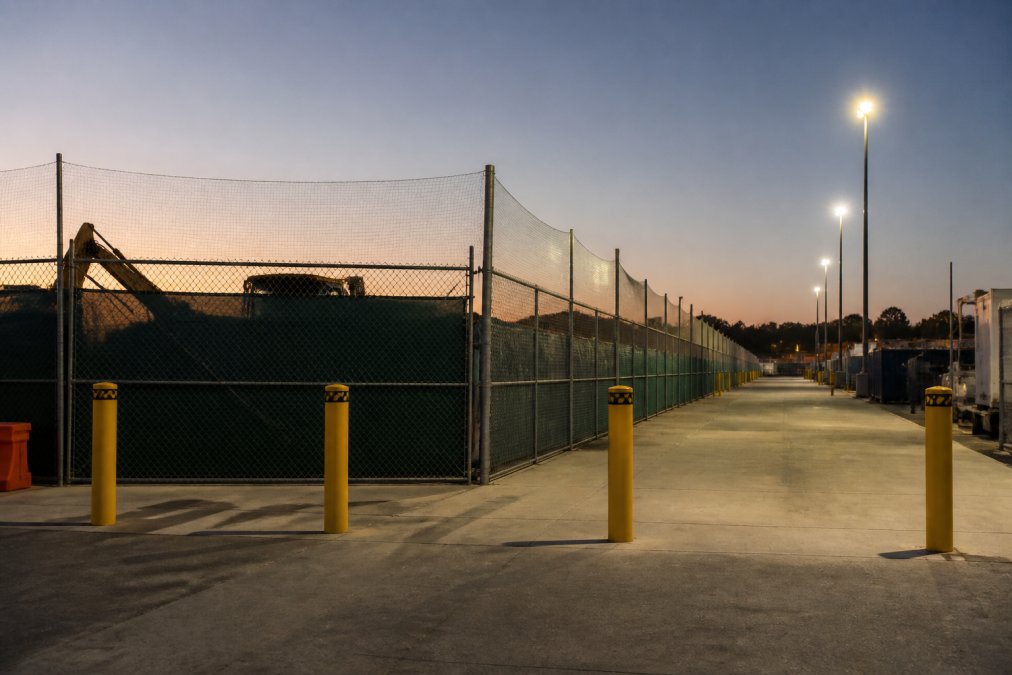
Gate management is often overlooked. A gate that's left open or propped ajar defeats the entire perimeter strategy. Implement a simple protocol: gates close at the end of each working day. Assign someone responsibility for checking them. If you have multiple access points, use lockable gates on all but the primary entrance. This forces thieves to choose between breaking a lock or cutting the fence, both take time and create noise, which acts as a deterrent.
For high-risk sites, consider adding motion-activated lighting around the perimeter. Thieves prefer darkness. Lights eliminate that advantage. Combined with a visible fence, lighting makes the site far less attractive to opportunistic theft.
Document your perimeter setup. Take photos of fencing condition, gate locks, and lighting. If theft occurs, this documentation supports insurance claims and helps identify security gaps. A visual record also helps you track whether the perimeter is being maintained over time.
CCTV and Surveillance Systems for Round-the-Clock Monitoring
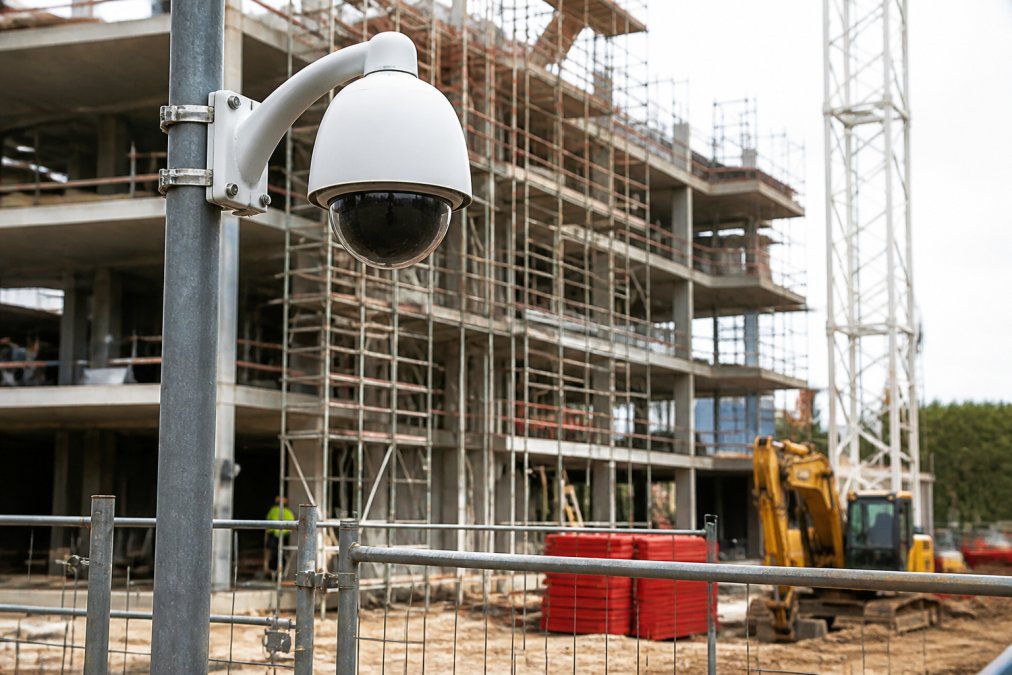
CCTV systems provide evidence and deter theft simultaneously. A visible camera signals that the site is monitored. A functioning system captures footage that helps identify thieves and supports police investigations.
The challenge with construction sites is that they're temporary. You need surveillance that's easy to install, relocate as the site evolves, and access remotely. IP cameras with cloud storage solve this. They don't require on-site recording equipment. Footage is stored securely online and accessible from your phone or computer.
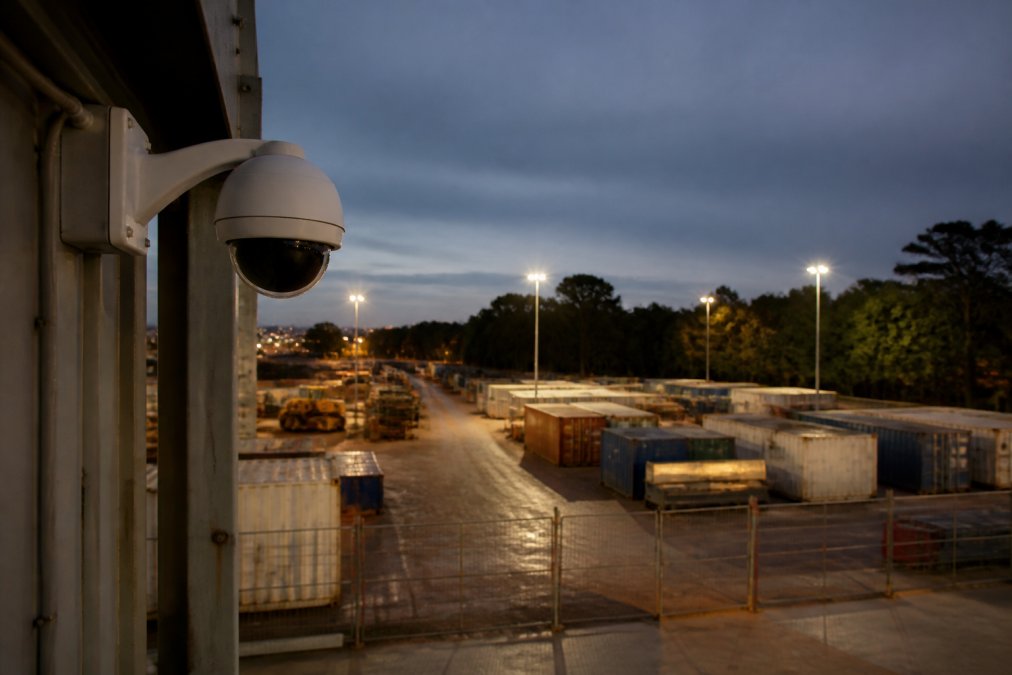
Position cameras to cover high-value storage areas, equipment staging zones, and all access points. A camera pointing at an empty part of the site wastes the investment. Focus on areas where theft is most likely: where tools and materials are stored, where vehicles park, and where people enter and exit.
Resolution matters. Low-resolution footage is useless for identifying faces or vehicle registration plates. High-resolution systems capture detail that police can actually use. Modern IP cameras offer 4K resolution at reasonable cost.
Night-time monitoring requires infrared or low-light capability. Thieves often strike after dark. A camera that only works in daylight leaves your site vulnerable when it's most at risk. Infrared cameras see in complete darkness and capture clear footage without additional lighting.
Remote monitoring lets you watch the site in real time. Many systems send alerts when motion is detected during off-hours. You can check your phone, see what's happening, and contact security or police immediately. This transforms CCTV from a passive recording tool to an active deterrent.
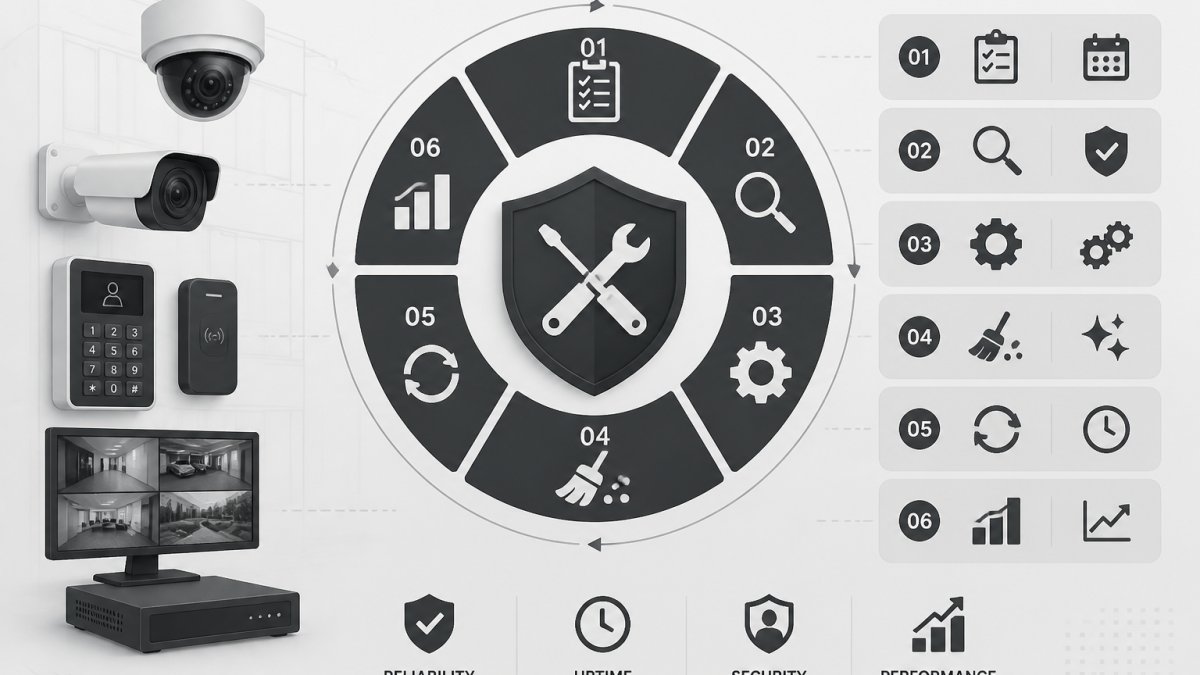
Maintenance is critical. A camera that's dirty, out of focus, or offline provides no protection. Schedule monthly checks. Clean lenses. Verify that footage is being recorded. Test the alert system regularly.
Access Control and Gate Management to Prevent Unauthorised Entry
Controlling who enters the site is fundamental to construction site theft prevention. Every person who enters should be identifiable and accountable. Without access control, you can't distinguish between legitimate workers and thieves.
Start with a simple sign-in system. Visitors and contractors log their name, company, time in, and time out. This creates a record. If equipment goes missing, you know who was on site. If someone claims they didn't enter the site, the log proves otherwise.
For larger sites, consider electronic access control. Keycard or PIN systems log every entry and exit with timestamps. They're more secure than physical keys, which can be lost or copied. Revocable access means you can remove someone's card immediately if they're no longer authorised. This matters for contractor management, when a subcontractor's work ends, their access ends instantly.
Gate locks should be substantial. Cheap padlocks are cut in seconds. Invest in hardened steel locks that resist bolt cutters. Combination locks are convenient but vulnerable if the code is shared widely. Keyed locks are more secure, though key management requires discipline.
For sites with multiple entry points, use a master lock system. One key opens all gates, simplifying access for authorised personnel while maintaining security. Assign keys to specific people and track who has what. If a key is lost, you know immediately who to contact.
Contractor vetting is part of access control. Before someone enters your site, you should know who they are and what they're doing there. Verify that they work for the company they claim to represent. Check references if possible. This isn't about paranoia, it's about knowing who has access to your equipment and materials.
Document access patterns. If theft occurs during a specific shift, your access logs tell you who was present. This information is valuable for police investigations and insurance claims.
Construction Site Security Checklist: Essential Controls
A construction site security checklist ensures that security measures are implemented consistently and checked regularly. Without a checklist, security depends on memory and good intentions, both fail under pressure.
Your checklist should cover daily, weekly, and monthly tasks:
Daily tasks:
- Close and lock all gates at end of business
- Check perimeter fencing for damage or breaches
- Verify that CCTV cameras are operational
- Review access logs for unusual activity
- Secure high-value equipment in locked storage
Weekly tasks:
- Walk the entire perimeter and document condition
- Test motion sensors and alarm systems
- Review CCTV footage for suspicious activity
- Check that signage is visible and intact
- Verify that lighting is functioning
Monthly tasks:
- Conduct a full security audit
- Review incident reports and near-misses
- Update access control lists
- Inspect locks and hinges for wear
- Test emergency procedures
Assign specific people responsibility for each task. Create a simple form or spreadsheet. Check boxes as tasks are completed. This creates accountability and a record that security is being actively managed.
When you have a documented checklist, you can demonstrate to insurers that you're taking reasonable precautions. This matters when filing claims. Insurance companies are more likely to cover losses when they see evidence that you had security measures in place and were maintaining them.
A checklist also helps you identify patterns. If you notice that a particular gate lock fails regularly, you know it needs replacement. If motion sensors trigger frequently in one area, you might need to adjust sensitivity or investigate what's causing false alarms.
How to Report Construction Site Theft and Document Evidence
When theft occurs, your response determines whether the incident is recoverable and preventable in future. Most construction site thefts go unreported because the process feels complicated or pointless. That mindset guarantees future losses.
Report to police immediately. Call the non-emergency line if it's not an active threat. Provide specific details: what was stolen, when it was last seen, estimated value, and serial numbers if you have them. Ask for a police report number. This number is essential for insurance claims.
Document the scene before anything is moved. Take photographs and video of the theft location, damage to locks or fencing, and any evidence left behind. Photograph the surrounding area to show context. Include timestamps in your photos, most phones do this automatically.
Gather information from anyone who was on site. When did they last see the stolen items? Did they notice anything unusual? Did they see unfamiliar vehicles or people? Write down names and contact details. This information helps police and supports your own investigation.
Check your CCTV footage immediately. If you have a system, export the relevant footage and save it separately. Don't rely on cloud storage alone, download copies. Provide footage to police. This is often the only evidence that identifies thieves.
Notify your insurer promptly. Most policies require notification within a specific timeframe. Provide the police report number, photographs, and CCTV footage. The more evidence you provide, the faster your claim processes.
Keep records of all losses. Document what was stolen, purchase date, original cost, and current replacement cost. If you don't have receipts, get quotes from suppliers for replacement equipment. These records support both insurance claims and police investigations.
Report the theft to your supply chain. If equipment was on loan or part of a rental agreement, notify the owner. They may have their own insurance or recovery procedures. They also need to know their equipment is missing.
Conducting a Construction Site Risk Assessment
A construction site risk assessment identifies vulnerabilities before theft occurs. Rather than reacting after losses, you're being proactive.
Start by mapping your site. Where is high-value equipment stored? Where do materials arrive and stage? What are all the access points? Which areas are visible from the street? Which are hidden? This visual understanding reveals where thieves would target and where security measures are most needed.
Evaluate your current security. Do you have fencing? Is it maintained? Do you have CCTV? Is it covering the right areas? Do you have access control? Is it actually being enforced? Be honest about gaps. Most sites have security measures that aren't working as intended.
Consider your operational rhythm. When is the site busiest? When is it empty? Are there shifts when fewer people are present? Theft often occurs during quiet periods, early morning, late evening, or weekends. Your assessment should identify these vulnerable windows.
Assess your inventory management. Do you track what equipment is on site? Do you know where specific items are stored? Can you identify missing items quickly? Poor inventory control means you might not notice theft for days or weeks. By then, the thief is gone and recovery is unlikely.
Evaluate your team's security awareness. Do site workers understand security protocols? Do they lock gates? Do they report suspicious activity? Security only works if everyone participates. Training and clear communication matter more than expensive systems.
Identify your highest-risk assets. Not everything on site has equal value. Focus your security investment on what's most valuable and most portable. High-value power tools, copper wire, and diesel fuel are common targets. Secure these specifically.
Document your assessment. Write down vulnerabilities, their likelihood, and their potential impact. Prioritise fixes by risk level. This creates a roadmap for improving security incrementally rather than trying to overhaul everything at once.
Share your assessment with your team. When workers understand why security matters, they're more likely to follow protocols. Explain the cost of theft, both direct loss and project delays. Make security everyone's responsibility.
Conclusion
Construction site theft is preventable. It requires a clear plan, consistent execution, and investment in the right controls. Fencing, CCTV, access control, and documentation aren't optional, they're the foundation of any site that protects its assets.
Tupper Security helps construction operators across South-East Queensland implement security strategies tailored to their actual site operations. Our independent risk assessments identify vulnerabilities specific to your site. Our multi-class licensed operators provide on-site presence and 24/7 monitoring. We document everything, access logs, incident reports, CCTV footage, so you have evidence when you need it.
If your site is experiencing losses or you want to prevent them before they start, request a quote from Tupper Security. We'll assess your site, identify gaps, and recommend specific controls that work for your operation and budget.
Frequently Asked Questions
What security measures are most effective for preventing construction site theft?
A layered approach works best: secure the site perimeter with chain-link fencing and anti-climb materials, install CCTV with remote monitoring capability, implement access control systems that log all entries, store high-value tools and materials in locked containers, use audible alarms and motion sensors, maintain clear signage warning of security measures, and conduct regular inventory checks. The most successful sites combine physical barriers with surveillance and human oversight rather than relying on any single measure.
How quickly should I report construction site theft to police and my insurer?
Report theft to police within 24 hours and to your insurer immediately, many policies require prompt notification to remain valid. Document everything: take photographs of the theft location, list all stolen items with serial numbers and purchase dates, collect CCTV footage if available, gather witness statements, and keep all incident reports. This documentation is essential for insurance claims and helps police identify patterns of theft in your area. Preserve the scene until police have attended if possible.
What should a construction site risk assessment include?
A thorough risk assessment examines your site layout, identifies high-value asset storage areas, reviews access points and contractor vetting procedures, evaluates existing lighting and visibility, assesses current surveillance coverage, checks gate and key management systems, and documents trespassing risks. The assessment should also identify which items are most commonly targeted in your region, review your site induction procedures to ensure contractors understand security protocols, and recommend specific improvements based on your site's unique operation and location.
Is it better to use security guards or CCTV for construction site protection?
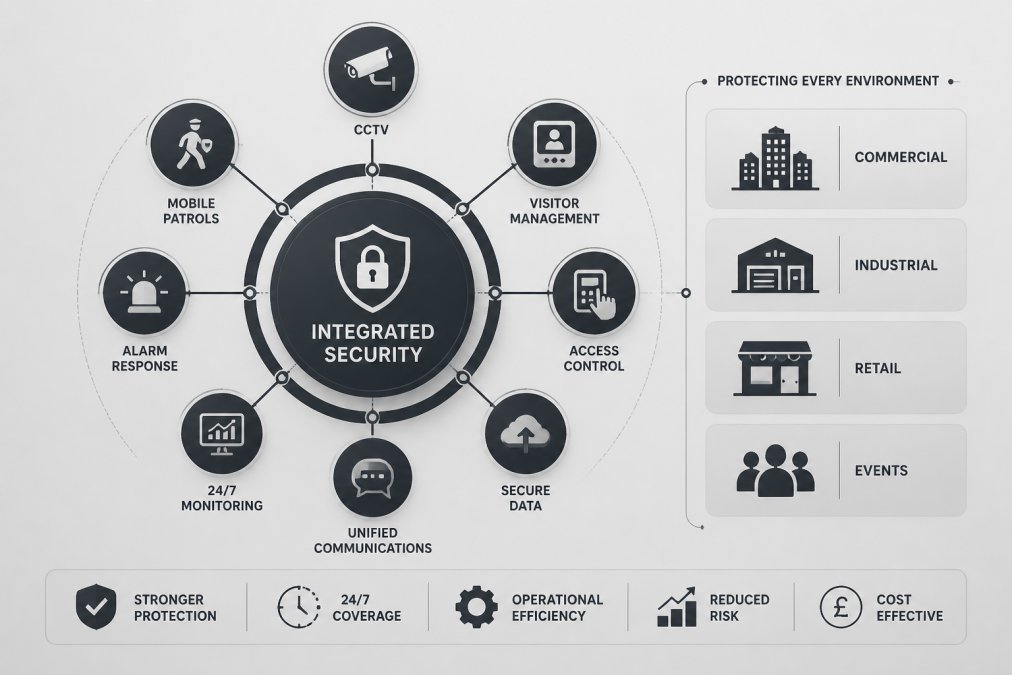
Both serve different purposes and work best together. CCTV provides 24/7 remote monitoring and creates a permanent record for incident investigation and insurance claims. Security guards offer visible deterrence, immediate response to incidents, and the ability to verify alarms in real time. For unattended sites or night-time hours, CCTV with audible alarms and remote monitoring is cost-effective. For active work periods or high-value sites, on-site security personnel provide faster response and better control of contractor access. Many sites use both: guards during work hours and monitored surveillance after hours.
This article was written using GrandRanker