 listicle
Construction Site Security Best Practices
Table of Contents
- Why Construction Site Security Matters
- Perimeter Fencing and Physical Barriers
- Construction Site Access Control Systems
- CCTV System Audit for Warehouses and Storage
- Construction Site Security Risk Assessment
- Lighting, Motion Sensors and Equipment Tracking
- Safety Training, Signage and Incident Response
- Conclusion
Last Updated: August 22, 2026
Why Construction Site Security Matters
Construction sites face unique security challenges. Equipment worth hundreds of thousands of dollars sits exposed, often in remote locations with minimal oversight. Theft, vandalism, and unauthorised access drain budgets and delay projects. Beyond the replacement cost, there's lost productivity, insurance claims, and administrative burden.
Unauthorised access also creates liability. A trespasser injured on your site can trigger legal action. Proper perimeter security, access control, and monitoring reduce that risk substantially. According to Safe Work Australia guidance on construction site safety, site-specific risk assessments and documented security protocols are essential for compliance.
Most construction sites operate with basic security, a fence, maybe a gate, perhaps a security guard. A layered approach combining physical barriers, access control, surveillance, and risk assessment turns a vulnerable site into one that actively deters crime and protects both assets and people.
This guide from Tupper Security covers practical steps to implement construction site security best practices that work. We'll walk through the specific technologies, protocols, and strategies that reduce theft, prevent unauthorised access, and ensure compliance.
Perimeter Fencing and Physical Barriers
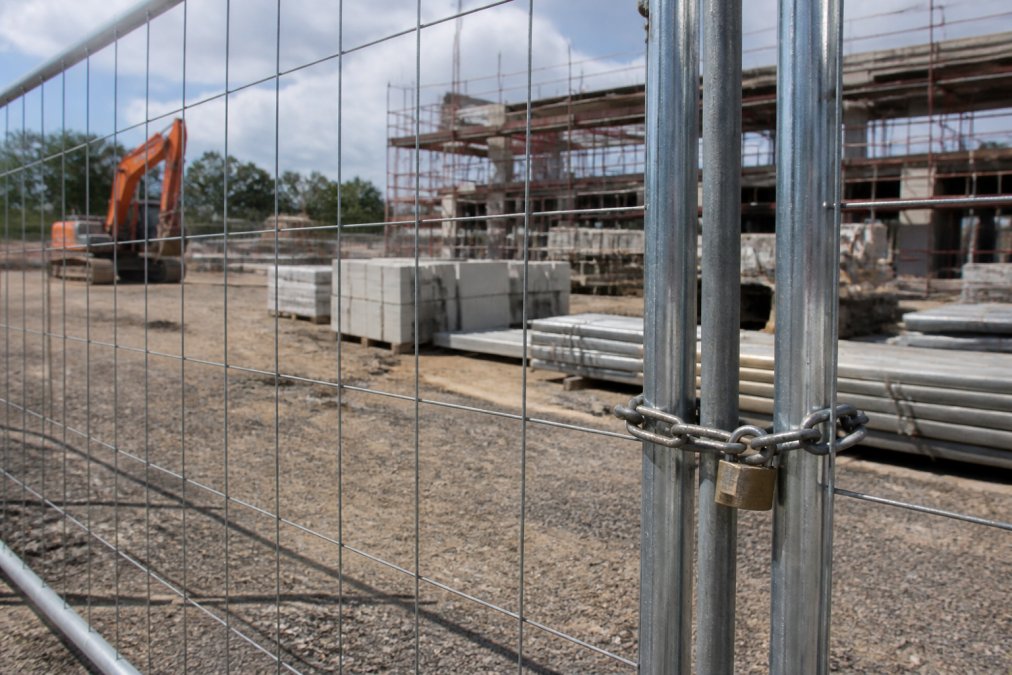
Your perimeter is your first line of defence. A strong fence signals that the site is controlled and monitored, which deters casual trespassers and opportunistic thieves.
Temporary site fencing is the standard across construction projects. Hot-dipped galvanised steel panels, typically 2 metres high, withstand harsh Australian weather and resist corrosion. Panels are secured with heavy-duty plastic feet or concrete bases, engineered to handle wind loads up to 100 km/h.
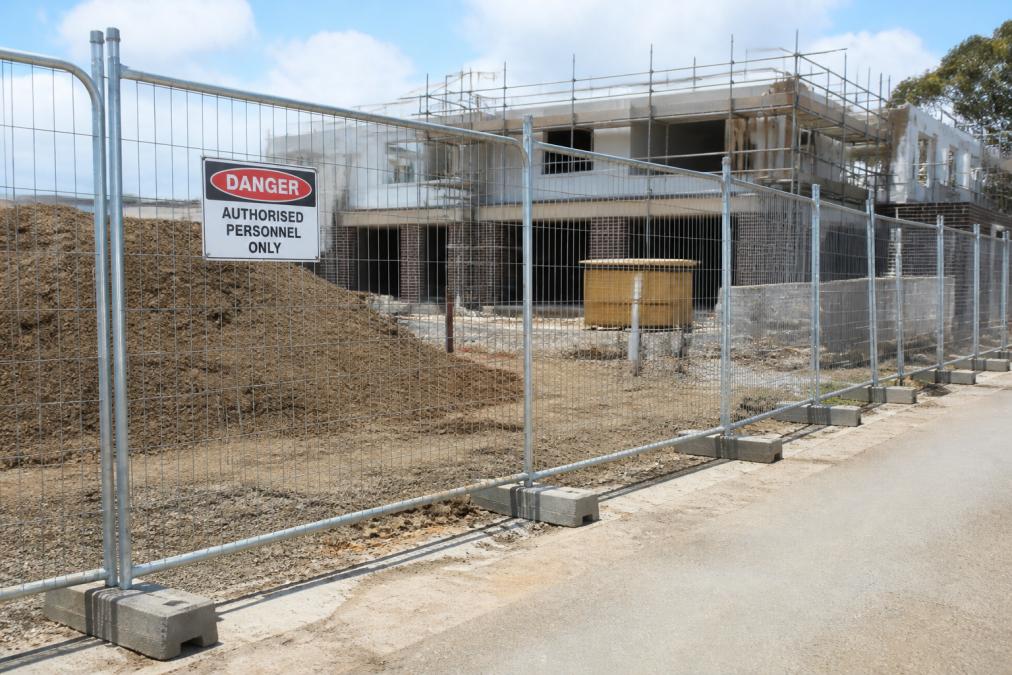
The height and material depend on what you're protecting. Small residential sites might use 1.8-metre panels; large industrial projects often require 2.4 metres or higher. Custom heights up to 3 metres are available for sites storing high-value equipment or hazardous materials.
Installation matters as much as the fence itself. Panels must be installed with consistent spacing and proper securing. Gaps between panels create weak points. Securing feet need regular checking, wind, ground movement, and wear can loosen them over time. Monthly inspections catch problems before they become security breaches.
Signage reinforces the message. 'Authorised Personnel Only' and 'No Trespassing' signs, placed at regular intervals, make entry restrictions clear and strengthen your legal position if you need to pursue trespassers.
For temporary sites, fencing hire is often more cost-effective than purchase. The flexibility to adjust your perimeter as the project progresses is a practical advantage.
Construction Site Access Control Systems
Once your perimeter is secure, you need to control who enters. Access control transforms a static fence into an active security system by documenting every entry and exit.
Modern access control uses digital ID verification, facial recognition, QR codes, or proximity cards, creating an auditable record of who was on site and when. This matters for compliance, investigation, and liability management.
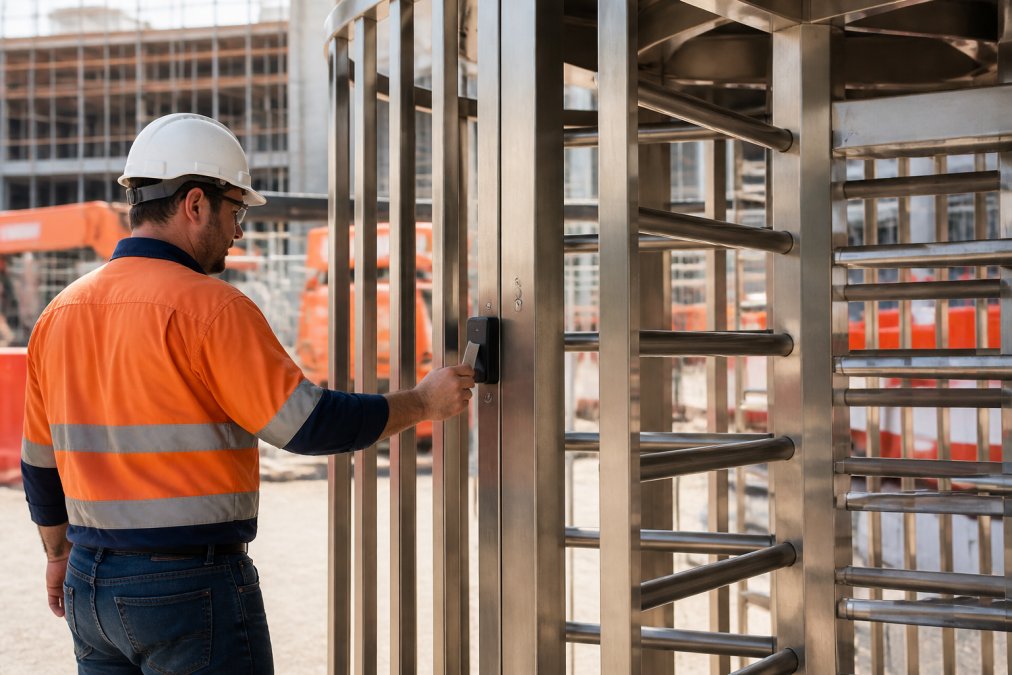
Full-height turnstiles are the gold standard for preventing unauthorised entry and tailgating. Unlike a simple gate, a turnstile physically blocks passage until proper authentication occurs. A worker cannot slip through behind someone else.
Integration with your site's occupational health and safety systems is critical. Your access control system should communicate with your WHS system, ensuring that only workers with current inductions and training records can enter. This automated verification reduces administrative overhead and ensures compliance.
Real-time tracking of workforce movement supports safety investigations, productivity analysis, and emergency response. You know at any moment who is on site and how long they've been there.
Implementation typically takes 2-4 weeks, depending on site complexity and integration requirements.
CCTV System Audit for Warehouses and Storage
CCTV surveillance creates accountability and provides evidence. A proper CCTV audit starts with identifying vulnerable areas: high-value equipment storage, perimeter entry points, loading areas, and tool cages. Less obvious vulnerabilities include blind spots between buildings and areas obscured by vegetation.
For construction sites without permanent power, solar-powered CCTV systems offer independence from grid infrastructure. Dual-camera systems with battery backup operate 24/7, storing footage on internal SD cards and allowing remote viewing via mobile app.
High-definition resolution matters. Low-resolution footage is often useless for identifying individuals or reading vehicle registration plates. You need at least 1080p resolution, preferably higher (peer-reviewed research). 4K systems are becoming standard because the cost difference is minimal and image quality is substantially better.
Camera placement is where most CCTV systems fail. Effective placement means positioning cameras to capture faces, vehicle details, and actions. Overlap coverage so that someone moving across the site is captured by multiple cameras. Eliminate blind spots using wide-angle lenses or multiple cameras covering the same area from different angles.
Remote monitoring capability is essential. You need the ability to access live feeds and recorded footage from any device, at any time. Cloud-based systems store footage securely and allow instant retrieval. construction site waste management.
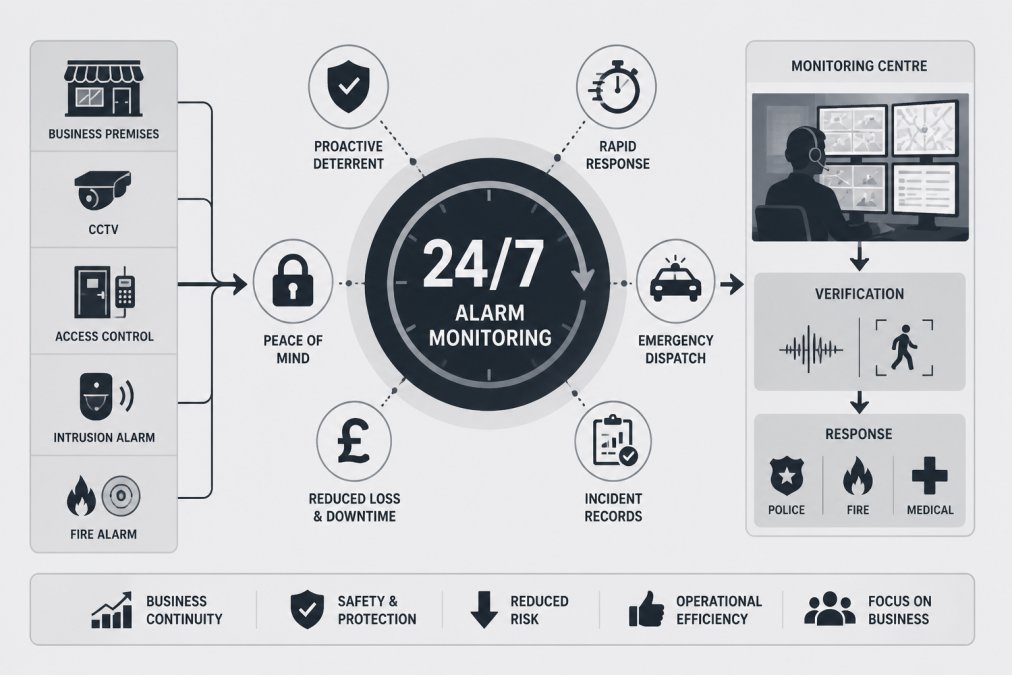
For large sites or multiple locations, centralised monitoring through a professional security provider adds another layer. A monitored CCTV system means that alerts trigger immediate response.
Construction Site Security Risk Assessment
A risk assessment is the foundation of effective security. Without it, you're guessing at what matters and likely spending money on solutions that don't address your actual vulnerabilities.
A proper construction site security risk assessment examines your specific site, equipment, location, and operational patterns. What equipment is on site? How long does it stay there? What's the theft risk in your area? What are the access points? The answers determine your security strategy.
The assessment process involves site inspection, interviews with site management and security personnel, review of incident history, and analysis of operational procedures. This isn't a generic checklist, it's a detailed examination of how your site actually operates.
Common vulnerabilities include inadequate perimeter security, weak access control at secondary entry points, blind spots in surveillance coverage, insufficient lighting around high-value equipment storage, and gaps in incident reporting procedures.
The assessment should also consider your site's evolution. A construction site changes as the project progresses. Early stages might focus on securing the site perimeter and protecting temporary site offices. Later stages shift focus to protecting high-value mechanical and electrical equipment. Your security strategy needs to adapt accordingly.
Tupper Security conducts independent site risk assessments tailored to your specific project. The assessment identifies vulnerabilities, recommends solutions, and provides a documented action plan.
Lighting, Motion Sensors and Equipment Tracking
Darkness is a thief's ally. Inadequate lighting around equipment storage areas, perimeter entry points, and high-value asset locations creates opportunities for theft and vandalism. Proper lighting is one of the most cost-effective security measures available.
Motion-activated lighting deters potential intruders by removing darkness and alerts site personnel to movement in areas that should be unoccupied. LED lighting technology has made site lighting more efficient and cost-effective. Solar-powered motion lights eliminate the need for trenching and electrical work, making them ideal for temporary sites.
Equipment tracking using GPS technology addresses theft of mobile equipment. Excavators, generators, compressors, and other high-value assets are portable and attractive targets. GPS tracking units installed on equipment provide real-time location data, allowing you to monitor where your assets are and alert you immediately if equipment leaves the site.
Centralised asset tracking software integrates data from all your equipment, providing a single dashboard view of your site's assets. If equipment is stolen, you have precise location data to provide to police. Recovery rates for tracked equipment are substantially higher than for untracked assets.
Integration of lighting, motion sensors, and equipment tracking creates a comprehensive picture of your site's security.
Safety Training, Signage and Incident Response
Security is only effective if everyone on site understands their role. Toolbox talks and safety briefings that include security components ensure that all personnel know what's expected and what to do if they notice suspicious activity.
Effective security signage communicates that the site is controlled and monitored, which deters casual intruders. It informs workers of security procedures and expectations. Signage should be clear, visible, and positioned at all entry points and around perimeter fencing.
Incident reporting procedures need to be documented and communicated. Workers need to know how to report suspicious activity, theft, or security breaches. A clear reporting process ensures that incidents are captured, investigated, and used to improve security.
Documentation of incidents serves multiple purposes: it creates a record for insurance claims, supports police investigations, identifies patterns or repeat offenders, and demonstrates that you took security seriously.
Post-incident response protocols should address immediate actions (securing the site, contacting police, protecting evidence), investigation (reviewing CCTV footage, interviewing witnesses, documenting losses), and follow-up (insurance claims, equipment replacement, security improvements).
Regular security briefings keep security top-of-mind for site personnel. Monthly toolbox talks covering security topics reinforce that security is everyone's responsibility.
| Security Component | Primary Purpose | Implementation Frequency | Responsible Party |
|---|---|---|---|
| Perimeter Fencing | Prevent unauthorised entry | Installation at project start; monthly inspection | Site Manager |
| Access Control | Document and control entry; prevent tailgating | Daily verification of system operation | Security Personnel |
| CCTV Surveillance | Deter theft; provide evidence for investigation | Continuous operation; weekly footage review | Security Provider |
| Lighting and Motion Sensors | Deter theft; alert to activity | Continuous operation; monthly maintenance | Facilities Team |
| Equipment Tracking | Locate and recover stolen assets | Continuous monitoring; weekly data review | Operations Manager |
| Incident Reporting | Document security breaches; identify patterns | Immediate reporting of incidents | All Personnel |
| Security Training | Ensure compliance; build security awareness | Monthly toolbox talks; annual refresher | Site Manager |
Construction site security isn't a one-time installation, it's a managed process that evolves as your site changes. A layered approach combining physical barriers, access control, surveillance, equipment tracking, and staff training creates redundancy. When one layer fails, others remain effective.
Tupper Security delivers tailored protection plans built around how your site actually operates. Rather than applying generic security schedules, our team conducts independent risk assessments, recommends targeted solutions, and provides 24/7 monitoring and rapid response. With multi-class licensed operators and a local Silkstone depot, we ensure your construction site remains secure with fast turnaround times. Request a quote today and discover how precision-installed security protects your assets and your team.
=== FAQ ANSWERS (audit these too, same rules) ===
[1] Q: What should be included in a construction site security risk assessment? A: A thorough construction site security risk assessment evaluates site layout, asset value, unauthorised access points, theft patterns, and compliance gaps. It identifies which areas need perimeter fencing, where CCTV coverage is critical, and what access control measures prevent tailgating. The assessment also reviews staffing levels, incident reporting procedures, and whether existing security protocols align with WHS requirements. A professional assessment from a licensed security provider typically results in a tailored action plan prioritising the highest-risk vulnerabilities first.
[2] Q: How do access control systems improve site safety and security? A: Access control systems prevent unauthorised entry by restricting who can access specific areas at specific times. Full-height turnstiles and card readers eliminate tailgating, ensuring only verified workers enter. Real-time tracking shows who was on site during an incident, supporting investigations and compliance audits. Integration with safety systems allows you to verify PPE compliance and training status before granting entry. This reduces theft, vandalism, and unauthorised equipment use while creating an auditable record for insurance and regulatory purposes.
[3] Q: What are the most effective ways to prevent theft on a construction site? A: Layered security prevents theft most effectively. Start with perimeter fencing to deter casual theft and controlled entry via access control to stop unauthorised access. Deploy CCTV surveillance with remote monitoring to detect and deter theft in real time. Implement equipment tracking using GPS to recover stolen items and identify theft patterns. Combine these with mobile patrols or static guards for visible deterrence, and enforce toolbox talks on security protocols. Regular risk assessments identify emerging vulnerabilities before thieves exploit them.
[4] Q: How does the Work Health and Safety Act influence site security requirements? A: The Work Health and Safety Act requires site managers to provide a safe workplace, which includes protecting workers from security threats and unauthorised access (legislation.gov.au). Compliant sites must have perimeter barriers, controlled entry, incident reporting systems, and documented safety briefings. Security breaches that allow unauthorised personnel on site create liability if an injury occurs. WHS compliance also mandates that security measures do not create new hazards, such as access control systems that could obstruct emergency evacuation. Integrating security with WHS systems ensures both worker safety and asset protection.
[5] Q: What are the benefits of integrating CCTV with mobile patrol services? A: Integrating CCTV with mobile patrols creates a dual-layer deterrent and response system. CCTV provides 24/7 remote monitoring and recorded evidence of incidents, while mobile patrols offer visible on-site presence and rapid physical response. When CCTV detects suspicious activity, patrol teams can respond immediately, catching offenders or preventing theft before it happens. This combination reduces false alarms because patrols verify threats before alerting police. For multi-site operations, centralised monitoring with distributed patrols ensures consistent coverage and faster incident resolution across all locations.
Frequently Asked Questions
Q: What should be included in a construction site security risk assessment?
A: A thorough construction site security risk assessment evaluates site layout, asset value, unauthorised access points, theft patterns, and compliance gaps. It identifies which areas need perimeter fencing, where CCTV coverage is critical, and what access control measures prevent tailgating. The assessment also reviews staffing levels, incident reporting procedures, and whether existing security protocols align with WHS requirements. A professional assessment from a licensed security provider typically results in a tailored action plan prioritising the highest-risk vulnerabilities first.
Q: How do access control systems improve site safety and security?
A: Access control systems prevent unauthorised entry by restricting who can access specific areas at specific times. Full-height turnstiles and card readers eliminate tailgating, ensuring only verified workers enter. Real-time tracking shows who was on site during an incident, supporting investigations and compliance audits. Integration with safety systems allows you to verify PPE compliance and training status before granting entry. This reduces theft, vandalism, and unauthorised equipment use while creating an auditable record for insurance and regulatory purposes.
Q: What are the most effective ways to prevent theft on a construction site?
A: Layered security prevents theft most effectively. Start with perimeter fencing to deter casual theft and controlled entry via access control to stop unauthorised access. Deploy CCTV surveillance with remote monitoring to detect and deter theft in real time. Implement equipment tracking using GPS to recover stolen items and identify theft patterns. Combine these with mobile patrols or static guards for visible deterrence, and enforce toolbox talks on security protocols. Regular risk assessments identify emerging vulnerabilities before thieves exploit them.
Q: How does the Work Health and Safety Act influence site security requirements?
A: The Work Health and Safety Act requires site managers to provide a safe workplace, which includes protecting workers from security threats and unauthorised access. Compliant sites must have perimeter barriers, controlled entry, incident reporting systems, and documented safety briefings. Security breaches that allow unauthorised personnel on site create liability if an injury occurs. WHS compliance also mandates that security measures do not create new hazards, such as access control systems that could obstruct emergency evacuation. Integrating security with WHS systems ensures both worker safety and asset protection.
Q: What are the benefits of integrating CCTV with mobile patrol services?
A: Integrating CCTV with mobile patrols creates a dual-layer deterrent and response system. CCTV provides 24/7 remote monitoring and recorded evidence of incidents, while mobile patrols offer visible on-site presence and rapid physical response. When CCTV detects suspicious activity, patrol teams can respond immediately, catching offenders or preventing theft before it happens. This combination reduces false alarms because patrols verify threats before alerting police. For multi-site operations, centralised monitoring with distributed patrols ensures consistent coverage and faster incident resolution across all locations.
This article was written using GrandRanker