 listicle
Best Security Companies in Ipswich: 2026 Guide
Table of Contents
- What to Look for in a Security Company
- Top Security Companies in Ipswich
- Mobile Security Patrols in Ipswich: Coverage and Response Times
- CCTV System Installation Costs and What to Expect
- Licensed Security Guards Queensland: Qualifications and Standards
- DIY vs. Professional Security: When to Call the Experts
- How to Choose the Right Security Provider for Your Needs
- Conclusion
Last Updated: August 23, 2026
What to Look for in a Security Company
Choosing the right security provider means finding a company that understands your specific vulnerabilities and responds with precision. The best security companies in Ipswich Queensland share three core attributes: licensed operators who know the local area, rapid response times backed by local infrastructure, and willingness to conduct proper risk assessment before selling generic packages.
When evaluating security companies Ipswich, look for these markers: Licensed credentials matter. A Class 1 firm licence under Queensland law means the company has been vetted, maintains insurance, and operates under regulatory oversight. Individual security officers should hold current security licences from the Queensland Office of Fair Trading.
Local presence determines response speed. A security company operating from a Brisbane office forty minutes away will always be slower than one with a depot in your area. Tupper Security operates from a Silkstone depot, translating to materially faster dispatch times for alarm response across Ipswich.
Risk assessment before design. Legitimate providers conduct site visits, identify specific vulnerabilities, and build security plans around how your business actually operates. A security company that promises to eliminate all risk is lying. What they can do is reduce exposure, respond faster than you could alone, and provide documented evidence of their activity.
Top Security Companies in Ipswich
1. Tupper Security, Best for Tailored Local Protection
Tupper Security operates from a Silkstone depot and delivers security solutions built specifically around how your site operates. Rather than imposing generic security schedules, they conduct independent risk assessments and design systems aligned with your actual vulnerabilities.
Their service suite covers mobile patrols with marked vehicles and licensed officers, 24/7 alarm response from local infrastructure, CCTV and IP surveillance systems with remote accessibility, access control systems, and event security. For retail, they provide documented shrinkage reporting, auditable records of loss prevention activity. Multi-class licensed operators form their team, and the company has maintained QLD Firm Licence #4572076 since 2014.
Best for: Homeowners, property managers, retail operators, and construction sites seeking rapid alarm response and customised security design backed by local infrastructure.
2. Southern Cross Protection, Best for Scale and National Consistency
Southern Cross Protection operates 16,000 patrol visits nightly across Australia, with a local office in Redbank, Ipswich (southerncrossprotection.com.au). This scale matters if you operate multiple sites across the region and need consistent standards applied uniformly.
Their services include security patrols with rapid response, 24/7 alarm monitoring from a Grade 1A centre, security guards for events and static roles, loss prevention for retail shrinkage, and risk advisory services. Over 90 years of operational history translates to established procedures and reliable staffing depth.
Best for: Multi-site operators, retail chains, and organisations prioritising consistency over raw speed.
3. Queensland Asset Protection Services, Best for Customised Commercial Solutions
Queensland Asset Protection Services operates across Brisbane, Ipswich, Logan, Beaudesert, and the Gold Coast. They emphasise advanced technology, ethical practices, and personalised client care, translating to willingness to adapt their approach to your specific context.
Their services include mobile patrols and alarm response, 24/7 CCTV and alarm monitoring, licensed security personnel, electronic security systems, and security consulting with tailored risk mitigation strategies.
Best for: Commercial businesses and property managers seeking customised security solutions with emphasis on advanced technology and responsive service.
4. National Security Alliance, Best for Industrial and Manufacturing Sites
National Security Alliance is a network of locally owned and operated contract security companies who work together to provide customers with quality contract security services throughout the United States and Canada. Industrial security has unique compliance overlays and workplace safety regulations that generic providers often miss.
Their services include industrial site security guards for access control and perimeter monitoring, surveillance and risk management, specialised manufacturing plant security, food processing security with hygiene compliance focus, and warehouse security with loss prevention capability.
Best for: Manufacturing, food processing, distribution, and industrial warehouse operations requiring compliance-focused security.
5. Broadsafe Maintenance, Best for ISO-Certified Quality Assurance
Broadsafe Maintenance holds ISO 9001 certification and is fully insured and WorkCover compliant, markers of operational discipline and commitment to documented quality standards. Their services include licensed static and manned guarding, mobile patrols and alarm response, corporate concierge and reception security, CCTV and access control systems, event and construction-site security, and risk assessment consulting.
Best for: Corporate, industrial, and government clients requiring documented quality assurance and ISO-aligned security procedures.
6. Security Queensland, Best for Alarm System Supply and Monitoring
Security Queensland focuses on alarm systems rather than comprehensive security services. They supply, install, and maintain systems using premium brands like Risco, Hills, and DSC, offering both back-to-base monitoring through a Grade 1A centre and self-monitored options with smartphone access.
Best for: Homeowners and small businesses seeking high-quality alarm system supply, installation, and monitoring.
7. MA Services Group, Best for Integrated Facility Services
MA Services Group is 100% Australian-owned and operates across all states, offering integrated security alongside cleaning and facility services. Their security services include alarm monitoring, electronic security, mobile patrols, and security officers, with loss prevention management and risk assessment services.
Best for: Shopping centres, transport hubs, government offices, and large-scale events requiring integrated security and facility management.
8. Fallon Solutions, Best for Local Alarm Installation and Maintenance
Fallon Solutions operates in Ipswich and surrounding suburbs with focus on CCTV installation and maintenance, alarm system installation and servicing, and intercom systems. They emphasise 24/7 availability and financing options for approved customers.
Best for: Homeowners and small businesses in Ipswich seeking local, accessible alarm and CCTV installation with maintenance support.
Mobile Security Patrols in Ipswich: Coverage and Response Times
Mobile security patrols are the visible deterrent and rapid response layer of comprehensive security strategy. A marked patrol vehicle with a licensed officer signals to potential offenders that the site is monitored. When an alarm triggers, a patrol unit can be on-site within minutes rather than hours.
Response time depends on the provider's local infrastructure and current patrol unit location. A security company operating from a depot in your immediate area will consistently outperform one dispatching from Brisbane. The difference between fifteen-minute and forty-five-minute response is the difference between catching an intruder on-site and discovering damage after the fact.
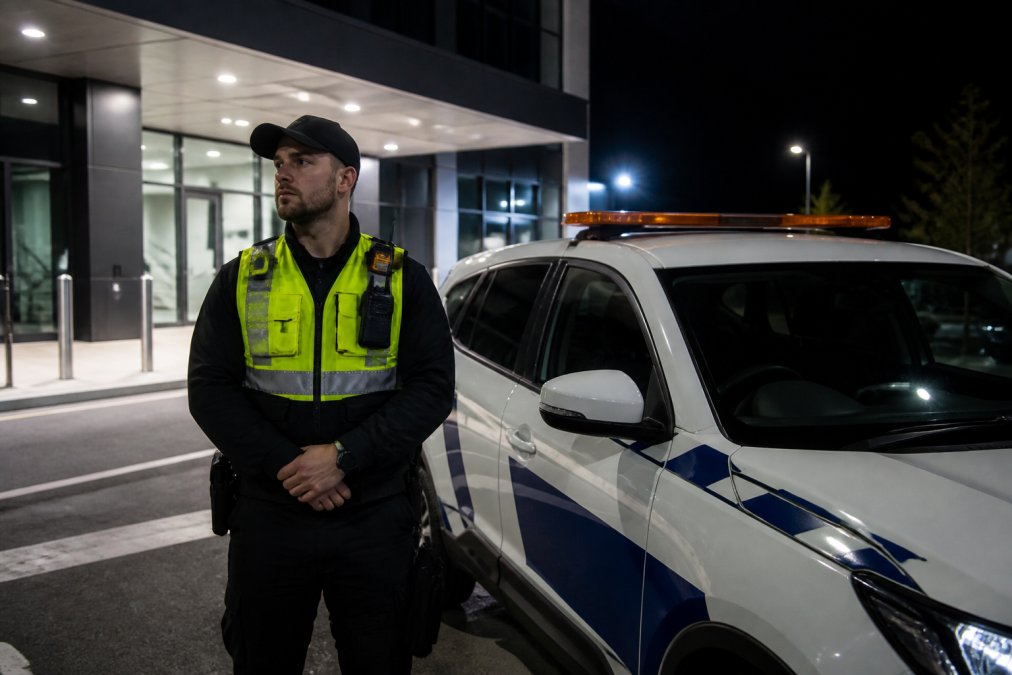
Patrol frequency and scheduling matter as much as speed. Experienced operators randomise timing to prevent predictability. Ask prospective patrol providers: How many patrol units do they maintain in your area? What's their documented average response time for alarm activations? Do they randomise patrol timing or use fixed schedules?
For retail operations, patrols serve a secondary function: documented loss prevention activity. Patrol records showing officer observations, staff behaviour, cash handling, and inventory management create auditable records invaluable if you need to address employee-related losses.
CCTV System Installation Costs and What to Expect
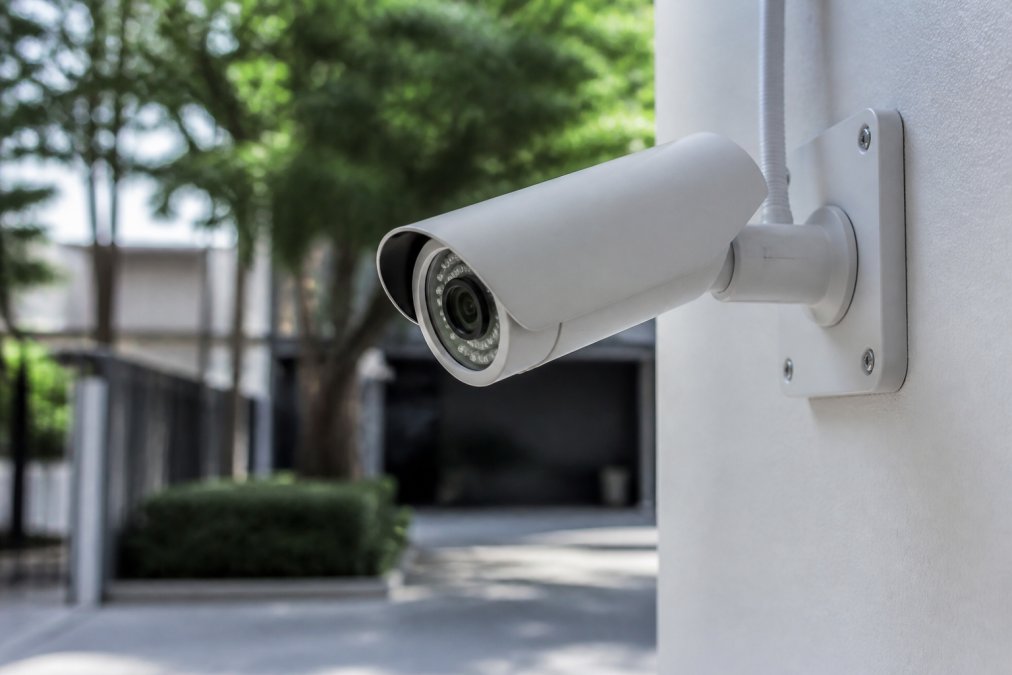
CCTV systems range from basic single-camera setups to enterprise-grade multi-camera networks with cloud storage and AI-powered motion detection. Installation costs depend on camera quantity and quality, installation complexity, and whether you're upgrading existing systems or starting fresh.
Camera quality and type drive costs significantly. High-definition IP cameras with night vision and wide-angle lenses cost more than basic fixed cameras. For retail operations, high-resolution capture of faces and transactions justifies investment.
Installation complexity matters too. Properties with existing cable infrastructure cost less than heritage buildings requiring wall-run cables or facade mounting. Cable runs, conduit installation, and network infrastructure upgrades add labour costs.
Storage and monitoring options vary. Local DVR storage is cheaper than cloud-based IP systems, but cloud systems offer remote accessibility and redundancy. 24/7 professional monitoring adds monthly costs but ensures someone watches your cameras when you're not.
Request itemised quotes from multiple providers covering camera costs, installation labour, cable and infrastructure, and ongoing monitoring fees. For commercial properties, high-resolution IP surveillance with remote accessibility is standard.
Licensed Security Guards Queensland: Qualifications and Standards
In Queensland, security guards must hold a current security licence from the Office of Fair Trading. This includes identity verification, criminal history checks, and proof of training in relevant security procedures. Licensed guards must maintain qualifications and comply with a code of conduct.
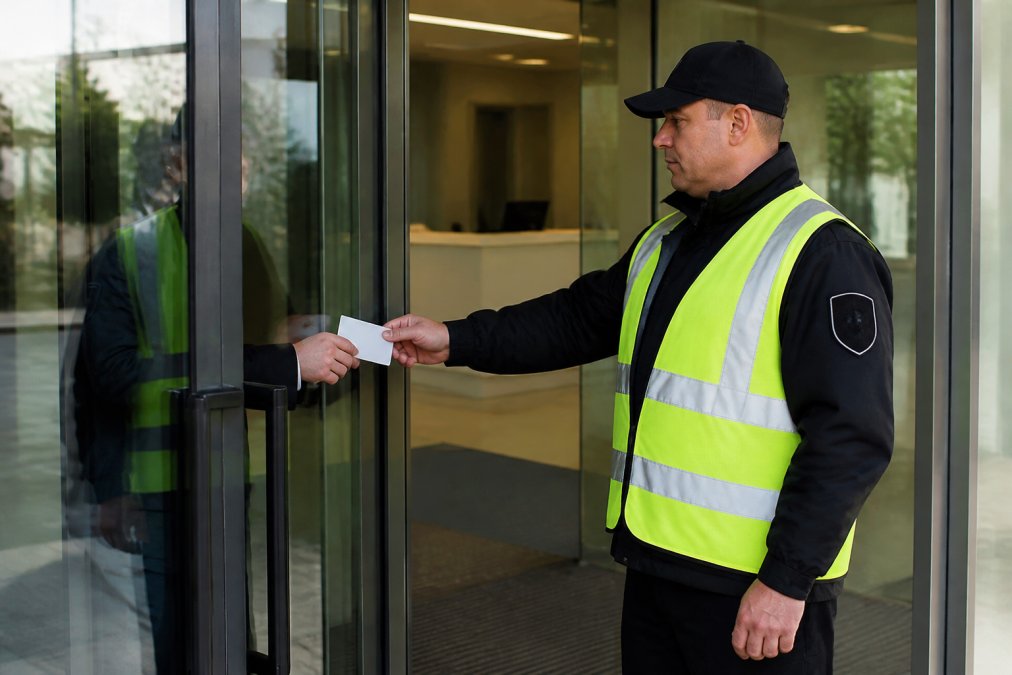
The licence confirms baseline standards but doesn't indicate experience, judgment in high-pressure situations, or fit for your specific requirements. When evaluating security companies offering guard services, ask about training frameworks beyond baseline licensing. Do they provide ongoing conflict de-escalation, first aid, and emergency response training? What's their staff turnover rate?
For retail operations, guards trained in loss prevention, understanding staff behaviour patterns, recognising organised retail crime tactics, documenting shrinkage incidents, add value beyond basic presence.
DIY vs. Professional Security: When to Call the Experts
DIY security systems work adequately for basic alarm capability, door and window sensors triggering a siren and phone notification. For businesses needing 24/7 professional monitoring, documented response, and integration with other security layers, DIY falls short.
Professional security wins because: Proper system design identifies actual vulnerabilities and covers entry points and blind spots. Professional installation ensures cameras are positioned correctly and systems integrate with your network. 24/7 monitoring responds to alarms, contacts emergency services, and maintains activity records. Integration and scalability connect access control, CCTV, and alarm monitoring under a single platform.
For homeowners in suburban Ipswich, a basic DIY alarm system supplemented by professional CCTV installation is reasonable. For any commercial operation, professional security is non-negotiable.
How to Choose the Right Security Provider for Your Needs
Step 1: Define your specific security challenges. Identify what you're protecting against: employee theft, external break-ins, organised retail crime, unauthorised access, or high-value inventory loss. Different challenges require different solutions.
Step 2: Request site visits and risk assessments from three providers. Legitimate security companies conduct site visits, ask detailed questions about operations, and provide written risk assessments before quoting.
Step 3: Evaluate local presence and response infrastructure. Ask where they're based, how many units operate in your area, and documented average response time for alarm activations.
Step 4: Verify credentials. Check that companies hold appropriate firm licences and individual officers hold current security licences. Request references from similar properties and call them.
Step 5: Compare design, not just price. Two quotes at different price points might reflect different system designs. A cheaper quote omitting cameras at critical entry points isn't better value than a more expensive quote covering all vulnerabilities.
Step 6: Assess willingness to adapt. The best providers treat your site as unique and design accordingly.
Step 7: Clarify ongoing support and escalation. Who do you call if something isn't working? What's their maintenance response time?
| Evaluation Criteria | What to Look For | Why It Matters |
|---|---|---|
| Local Infrastructure | Depot or base within 15-20 km of your property | Determines alarm response speed |
| Credentials | QLD firm licence + licensed individual officers | Confirms regulatory compliance and accountability |
| Risk Assessment | Written site survey before quoting | Indicates willingness to design vs. sell generic packages |
| Response Time | Documented average for alarm activations | Distinguishes between marketing claims and actual capability |
| References | Contact details from similar properties | Provides real-world feedback on service quality |
| System Design | Customised to your vulnerabilities, not a standard package | Ensures you're paying for what you actually need |
| Ongoing Support | Clear escalation path and maintenance response times | Prevents service gaps and frustration |
Choosing a security provider is fundamentally about reducing risk and responding faster than you could alone. The best security companies in Ipswich Queensland combine local presence with professional discipline: they know the area, respond quickly to alarms, and design systems around how your site actually operates. Tupper Security delivers this combination with multi-class licensed operators, rapid response from a local depot, and independent risk assessments forming the foundation of effective protection. Request a quote and schedule a site visit to evaluate whether their tailored approach aligns with your specific security requirements.
=== FAQ ANSWERS (audit these too, same rules) ===
[1] Q: What should I look for when hiring a security company in Ipswich? A: Verify the company holds a current Queensland security licence, check response times for alarm calls, and confirm they carry appropriate insurance. Ask about their technicians' qualifications and request references from similar businesses. A reputable provider will conduct a site risk assessment before proposing solutions, rather than offering generic packages. Confirm they offer 24/7 monitoring and dispatch, and check whether their systems integrate with your existing infrastructure.
[2] Q: How do I verify if a security company is licensed in Queensland? A: Licensed security companies operating in Queensland must hold a licence issued under the Security Providers Act 1993 (Qld) (legislation.qld.gov.au). You can verify a company's licence status by contacting the Queensland Office of Fair Trading or requesting their licence number directly. Legitimate providers will display their licence prominently on their website and documentation. Multi-class licences (such as Class 1) indicate the company can provide a broader range of services including manned guarding, patrols, and electronic security.
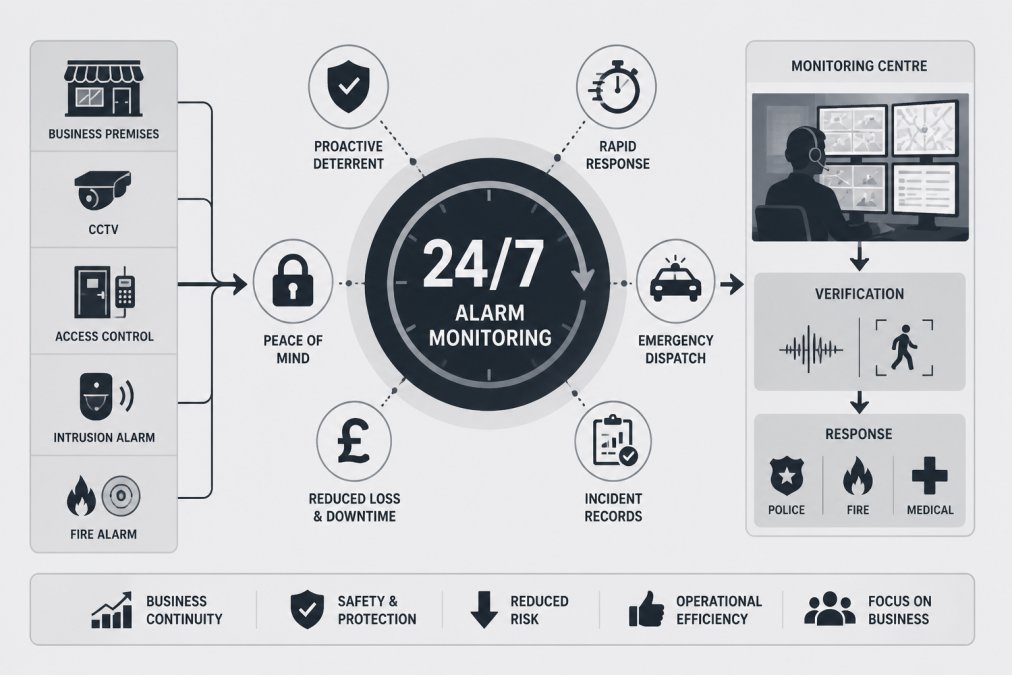
[3] Q: What is the difference between monitored and unmonitored alarm systems? A: Monitored alarm systems connect to a 24/7 monitoring centre that receives alerts and dispatches emergency responders when triggered (asial.com.au). Unmonitored systems sound a local alarm but rely on you or neighbours to contact authorities. Monitored systems offer faster emergency response and documented incident records, making them ideal for businesses requiring auditable security. They typically involve monthly monitoring fees, whereas unmonitored systems have no ongoing costs but provide less protection and no emergency dispatch.
[4] Q: Are local security patrols effective for business protection? A: Yes, security patrols deter theft and vandalism through visible presence and regular site checks. Local patrols from providers based in Ipswich typically achieve faster response times than Brisbane-based competitors, often reaching sites within 15-20 minutes of an alarm trigger. Randomised patrol schedules prevent predictability, improving detection of unauthorised activity. Documented patrol reports provide evidence of site monitoring, valuable for insurance claims and compliance audits. Effectiveness increases when patrols are combined with CCTV and access control systems.
[5] Q: Do I need a licensed security provider for CCTV installation? A: For basic CCTV installation, a licensed security provider is not always legally required. However, licensed providers bring expertise in system design, compliance with data protection requirements, and integration with alarm systems. For commercial properties, particularly those handling sensitive data or requiring auditable access control, working with a licensed provider ensures systems meet regulatory standards. Licensed installers also provide professional maintenance, cloud storage options, and remote access setup, reducing technical issues and downtime.
Frequently Asked Questions
What should I look for when hiring a security company in Ipswich?
Verify the company holds a current Queensland security licence, check response times for alarm calls, and confirm they carry appropriate insurance. Ask about their technicians' qualifications and request references from similar businesses. A reputable provider will conduct a site risk assessment before proposing solutions, rather than offering generic packages. Confirm they offer 24/7 monitoring and dispatch, and check whether their systems integrate with your existing infrastructure.
How do I verify if a security company is licensed in Queensland?
Licensed security companies operating in Queensland must hold a licence issued under the Security Providers Act 1993 (Qld). You can verify a company's licence status by contacting the Queensland Office of Fair Trading or requesting their licence number directly. Legitimate providers will display their licence prominently on their website and documentation. Multi-class licences (such as Class 1) indicate the company can provide a broader range of services including manned guarding, patrols, and electronic security.
What is the difference between monitored and unmonitored alarm systems?
Monitored alarm systems connect to a 24/7 monitoring centre that receives alerts and dispatches emergency responders when triggered. Unmonitored systems sound a local alarm but rely on you or neighbours to contact authorities. Monitored systems offer faster emergency response and documented incident records, making them ideal for businesses requiring auditable security. They typically involve monthly monitoring fees, whereas unmonitored systems have no ongoing costs but provide less protection and no emergency dispatch.
Are local security patrols effective for business protection?
Yes, security patrols deter theft and vandalism through visible presence and regular site checks. Local patrols from providers based in Ipswich typically achieve faster response times than Brisbane-based competitors, often reaching sites within 15-20 minutes of an alarm trigger. Randomised patrol schedules prevent predictability, improving detection of unauthorised activity. Documented patrol reports provide evidence of site monitoring, valuable for insurance claims and compliance audits. Effectiveness increases when patrols are combined with CCTV and access control systems.
Do I need a licensed security provider for CCTV installation?
For basic CCTV installation, a licensed security provider is not always legally required. However, licensed providers bring expertise in system design, compliance with data protection requirements, and integration with alarm systems. For commercial properties, particularly those handling sensitive data or requiring auditable access control, working with a licensed provider ensures systems meet regulatory standards. Licensed installers also provide professional maintenance, cloud storage options, and remote access setup, reducing technical issues and downtime.
This article was written using GrandRanker